
Google Pixel 10a vs. 10

If you’re deciding whether to buy the Pixel 10a or Pixel 10, it’s handy to know the difference between them. Our comparison guide will help you figure out which phone is right for your needs, covering their design, performance, and more.
Spec comparison
|
Release
date – 18th February 2026 |
Release
date – 5th March 2026 |
|
Dimensions
- 153.92 x 72.97 x 9.04 mm |
Dimensions
– 152.8 x 72 x 8.6 mm |
|
Weight
– 183g |
Weight
– 204g |
|
OS –
Android 16 |
OS – Android 16 |
|
Display
– 6.3” AMOLED |
Display
– 6.3” Actua screen |
|
Resolution
– 1080 x 2424 |
Resolution
– 1080 x 2424 |
|
Processor
– Tensor G4 |
Processor
– Tensor G5 |
|
RAM –
8GB |
RAM – 12GB |
|
Storage
– 128GB |
Storage
– 128GB; 256GB |
|
Rear
cameras – 48MP + 13MP |
Rear
cameras – 48MP + 13MP + 10.8MP |
|
Front
camera – 13MP |
Front
camera – 10.5MP |
|
Battery
– 5,100mAh |
Battery
– 4970mAh |
|
Water
& dust resistance – IP68 |
Water
and dust resistance – IP68 |
Design
Whilst the core designs of the Pixel 10a and Pixel 10 are extremely similar, there are some notable differences. Firstly, the 10a has a flush camera bar on the back, rather than the protruding one on the Pixel 10. We like being able to use the 10’s camera bar as a ‘shelf’ to hold the phone more comfortably, but some will no doubt appreciate the sleekness that the 10a’s flush design offers.
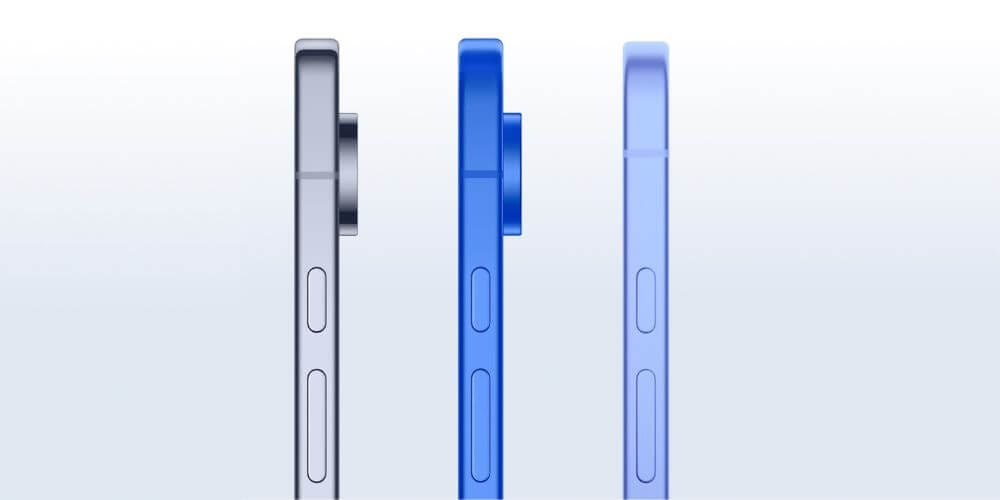
The Pixel 10a is also noticeably lighter than the Pixel 10, weighing in at 183g compared to 204g; this is despite being thicker, taller and wider across the board. We recommend the 10a if you’re after a low-profile phone when travelling, and the Pixel 10 if you prefer a handset with a bit more heft to it.
It’s worth noting that the Pixel 10a comes with a plastic backplate, instead of a Gorilla Glass panel like on the Pixel 10. Both offer excellent durability, but the Pixel 10’s glass rear looks and feels distinctly more premium.
Display
When deciding between the Pixel 10a and Pixel 10, there’s little separating them in the display department; in fact, they’re basically the same. Both have a 6.3” AMOLED screen, a peak brightness of 3000 nits, and 1080 x 2424 resolutions.
The one advantage that the Pixel 10 carries is its Gorilla Glass Victus 2 panel, which allegedly offers more protection against scratches compared to the 10a’s 7i screen. All in all, though, you’re basically getting an identical display experience.
Performance
On the performance front, there’s not as much parity between the Pixel 10a and Pixel 10. The latter is equipped with the faster Tensor G5 CPU, with the 10a harbouring the older Tensor G4 processor. The Pixel 10 also comes with 4GB of extra RAM, totalling 12GB rather than 8GB.
You’re unlikely to see a noticeable drop in general performance if opting for the Pixel 10a, but the Tensor G5 was ultimately designed to better support the Pixel’s AI functionality and puts the 10a at a disadvantage. That smaller amount of RAM also makes it hard to recommend the Pixel 10a to those prioritising AI use, as the Pixel 10’s additional memory enables it to deal with complex AI processing more effectively. Advisable to go for the Pixel 10, then, if you’re interested in frequently using AI and want the extra horsepower.
We would be remiss to mention, too, that the Pixel 10a doesn’t come with one of our favourite Pixel features in recent memory: Magic Cue. It won’t be a major productivity loss for most, but it’s still a shame to see it miss out.
Cameras
If you’re not that interested in taking long-distance photos, the Pixel 10a is a perfectly viable alternative to the Pixel 10 and provides a very similar camera experience. Both come with 48MP main and 13MP ultrawide cameras, as well as broadly identical feature suites packed with Camera Coach, Add Me, and more.

As we implied previously, the Pixel 10a lacks the 10.8MP telephoto camera found on the Pixel 10. Not a big deal if you don’t often use it, but it’s worth mentioning if you want a full-bodied camera array.
Battery
The battery differences between the Pixel 10a and Pixel 10 are slightly more complicated, but in a nutshell, the base 10 model has some notable advantages. In terms of sheer capacity, the 10a takes the crown with its 5100mAh unit against the 10’s 4970mAh offering. The 10a also supports faster 45W wired charging.
However, given that the Pixel 10 sports the more-efficient Tensor G5 processor, and the Pixel 10a’s larger battery will take longer to reach 50%, the faster charging becomes slightly less exciting. The Pixel 10a also doesn’t come with Pixelsnap magnetic charging, which gives the Pixel 10 an additional tick in the box.
Conclusion
Overall, the story of the Pixel 10a and Pixel 10 is one we’ve seen before. If you want a more affordable phone that comes with fewer bells and whistles, the Pixel 10a is an excellent option. For those desiring greater processing speeds and a more complete 10-series experience, the base Pixel 10 is the handset to go for.
Whichever phone you choose, you’re going to need to sort out your old data. Take a look through our Android transfer guide for simple steps on moving your data across.