
Google Pixel 9a Review
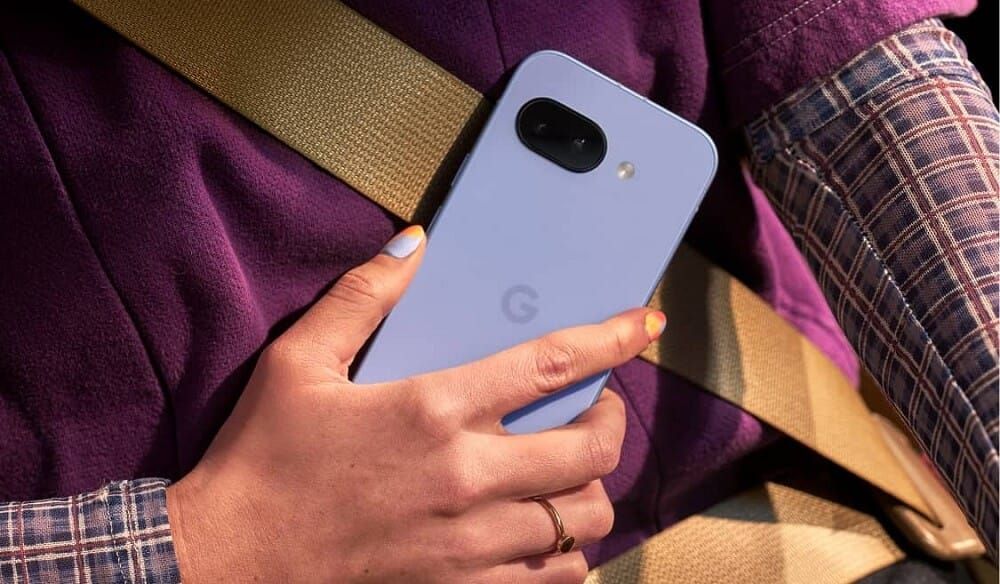
If you’ve ever looked at the Pixel 9, 9 Pro or 9 Pro XL and found them to be too expensive or large, the Google Pixel 9a might be the handset for you. This budget-friendly addition to the range shaves off some features to create a leaner device, prioritising areas like battery life while preserving the AI features and performance levels that define the series.
In this review, we’ll take you through every element of the Google Pixel 9a so you can decide if it fits your needs. Choose your Pixel 9a from a selection of colour styles and storage space.
Specs
• Dimensions - 154.71 x 73.25 x 8.94mm
• Weight – 185g
• OS – Android 15
• Display – 6.3” Actua OLED
• Resolution – 1080 x 2424
• Processor – Google Tensor G4
• RAM – 8GB
• Storage – 128GB
• Rear cameras – 48MP wide; 13MP ultra-wide
• Front camera – 13MP
• Battery – 5,100mAh
• Water and dust resistance – IP68
• Connectivity – 4G; 5G; Bluetooth 6
Release date
The Google Pixel 9a was released on the 1st April 2025.
Design
In keeping with other handsets in the Pixel 9 series, the Pixel 9a’s design language focuses on rounded corners with a flat display. This style has been in place since the Pixel 8 days and continues to impress, balancing the boldness of those earlier handsets with sleek design elements.
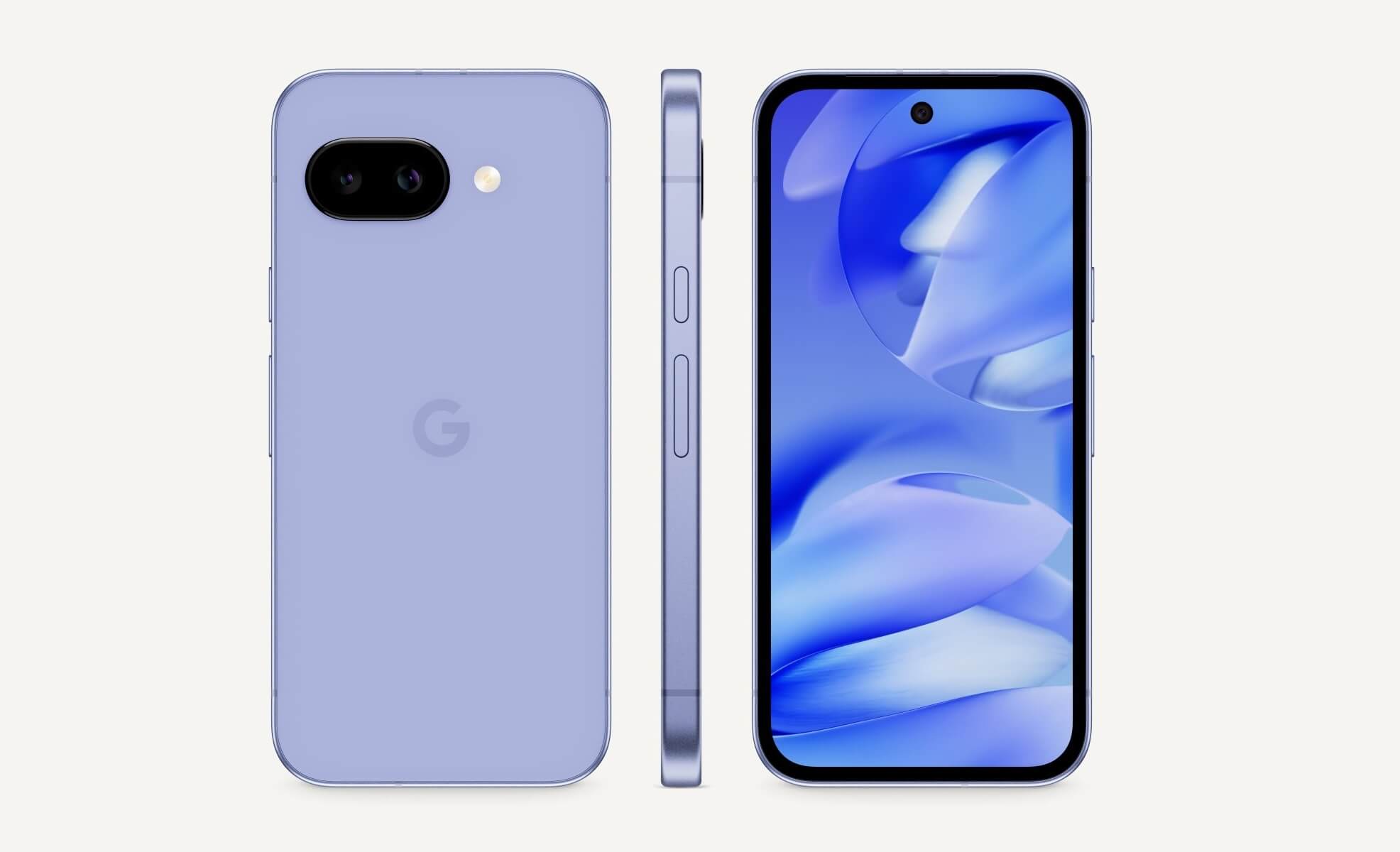
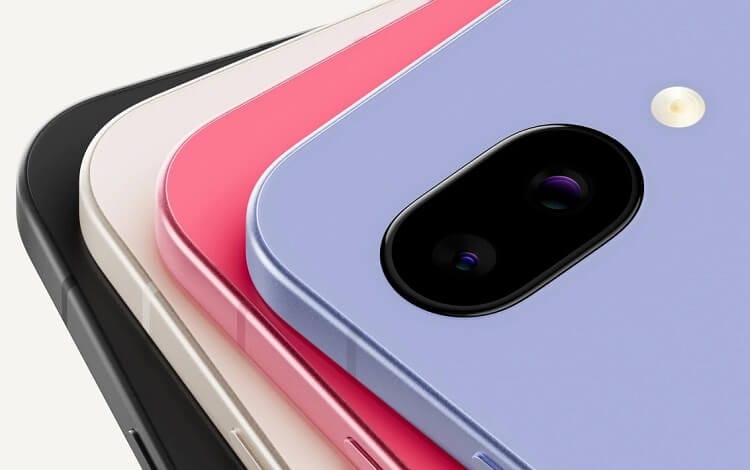
By far the most significant design change here Pixel 9a is on the back, specifically the camera bump. The strip that has long defined Pixel phones is non-existent now, which will be a positive depending on your personal taste. Some might have disliked the prominent camera bar and prefer this sleek look, whilst others may lament the loss of a distinctive design feature. There is certainly a more homogenous look to the Pixel 9a that closely resembles other smartphones such as the iPhone 16e.
Switching to the front of the Pixel 9a, another noteworthy design feature are the bezels between the screen and the frame. These bezels are slightly thicker than those on other Pixel 9 handsets, and whilst this does reduce the available screen space, it also contributes in another way: integrity. Thicker bezels help to protect the screen by reinforcing structural integrity, which is especially important for the Pixel 9a given its role as an entry-level smartphone and suitability for younger members of the family.
At 154.71 x 73.25 x 8.94mm, the Pixel 9a is marginally bigger than the base Pixel 9; barely perceptible in the hand. More importantly, the Pixel 9a is incredibly light at 185g and fits comfortably into any pocket. We could barely tell we were carrying it around, which again makes it a fantastic option for children or those that travel frequently.
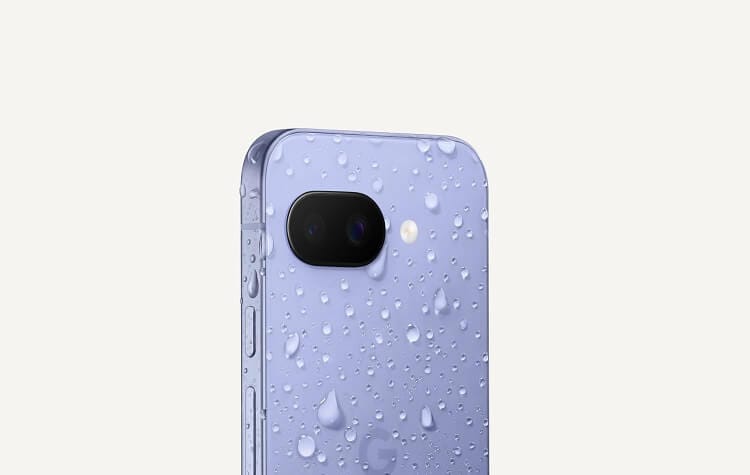
These are the design features that differentiate the Pixel 9a from its sibling handsets, with everything else very much falling in line with those devices. IP68 water and dust resistance is present here, as well as support for dual SIMs should you wish to switch between the two.
Display
We’ve long praised Pixel phones for their crisp visual experience, and the Pixel 9a is no different. The Actua display continues to be Google’s go-to screen technology, which on the Pixel 9a is presented in a 6.3” format; the same screen size as the base Pixel 9. As we touched on previously, those large bezels do eat into screen space a bit here, but this is more than compensated by beautiful OLED visuals that look incredibly vibrant regardless of what you’re watching, especially at the 120Hz refresh rate.
These visuals are further boosted by the presence of HDR, which makes games, films and videos look more lifelike by presenting realistic contrasts. HDR is nothing new, but the effect can be profound and a game-changer for those that want a screen that stands out. Speaking of standing out, the Pixel 9a’s screen can reach up to 2,700 nits peak brightness; even in direct sunlight, we found it easy to see the screen.
Performance & software
The Google Tensor G4 processor lies at the heart of the Pixel 9a, the same CPU powering the base Pixel 9, 9 Pro and 9 Pro XL. In terms of raw performance, the Tensor G4 ensures day-to-day jobs can be completed quickly and easily with minimal lag. To aid it in this task, Google equipped the Pixel 9a with 8GB RAM to ease the processor’s workload. This represents a 4GB drop from the base Pixel 9, but it’s important to remember that larger amounts of RAM than this are only needed for demanding tasks, such as gaming on the highest graphic settings; 8GB is more than enough for day-to-day usage.

The Tensor G4 is also instrumental in powering the Pixel 9a’s AI features, of which there are many. Google’s AI suite has continued to grow, including the likes of Circle to Search, Video Boost, AI wallpapers and Gemini. As the most budget-friendly handset in the Pixel 9 series, this phone represents one of the most affordable ways to start experimenting with AI on-the-go.
The Pixel 9a also comes with Android 15 support, which impressed us previously with its wide range of security features such as Private Space and Theft Detection Lock. Google supports Android 15 every few months with Pixel Drops containing new features, further improving the Pixel 9a over time.
Cameras
If taking pictures is important on your smartphone of choice, the Pixel 9a is a fantastic option at this price point. On the back you’ll find a dual-camera array consisting of 48MP wide and 13MP ultra-wide lenses, capable of producing highly-detailed photos. This phone really excels in wide shots where you want to capture vast vistas, making it a brilliant companion when travelling. 4K 30 and 60fps video recording is also supported for filming those precious moments with exceptional clarity.
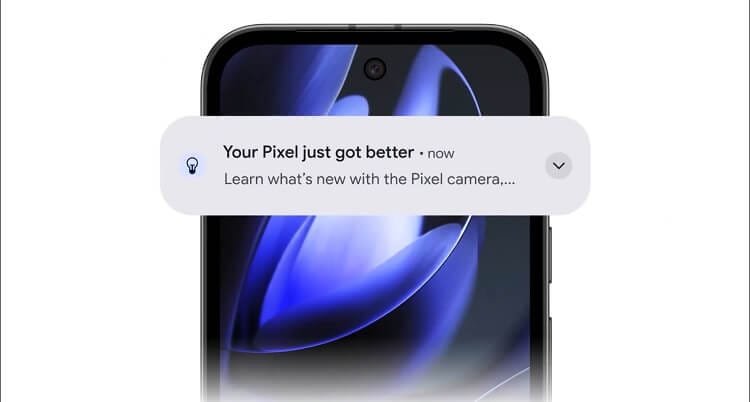
The Pixel 9a performs incredibly well from a hardware perspective, but the inclusion of AI takes things to another level. Magic Editor can be used to intelligently adjust photos with ease, Audio Eraser helps remove distracting background noises from videos, and Add Me transforms group photos by enabling everyone to be included in the shot by combining multiple photos into one. Again, at this price point you’re getting a large amount of AI-powered camera features to experiment with, so if you’re interested in changing up your photography experience, the Pixel 9a represents a great time to jump in.
Battery
We’ve heaped praise on the Pixel 9a for its excellent display and software features, yet the improvements that have been made to its battery blow these out of the water. This 5,100mAh unit offers the largest capacity of any battery in the Pixel 9 series, exceeding even the 5,060mAh unit in the Pixel 9 Pro XL. The Pixel 9a can last over 30 hours before needing a recharge, ideal for frequent travellers and kids. When you do need to charge up your Pixel 9a, you can do so via fast wired charging or wireless charging support.
The Adaptive Battery feature plays a key role, too. The Pixel 9a can automatically optimise battery life by prioritising your most frequently-used apps, diverting power from those you’re not using. This feature is fantastic for managing your battery usage over the course of the day, all without needing to lift a finger.
Summary
What we appreciate most about the Pixel 9a is how it doesn’t sacrifice the series’ core features in pursuit of affordability. Whilst other handsets such as the Pixel 9 or 9 Pro XL include more powerful cameras or a larger screen, the Pixel 9a provides a great balance that younger and older members of the family can enjoy. Combined with an easy onboarding process and the School Time feature to help kids focus on their homework, parents should certainly put the Pixel 9a near the top of their list.
If you need a hand moving old data across to your new Pixel 9a, our expert guide will help you do this with ease.