
Google Pixel 9a vs. 8a
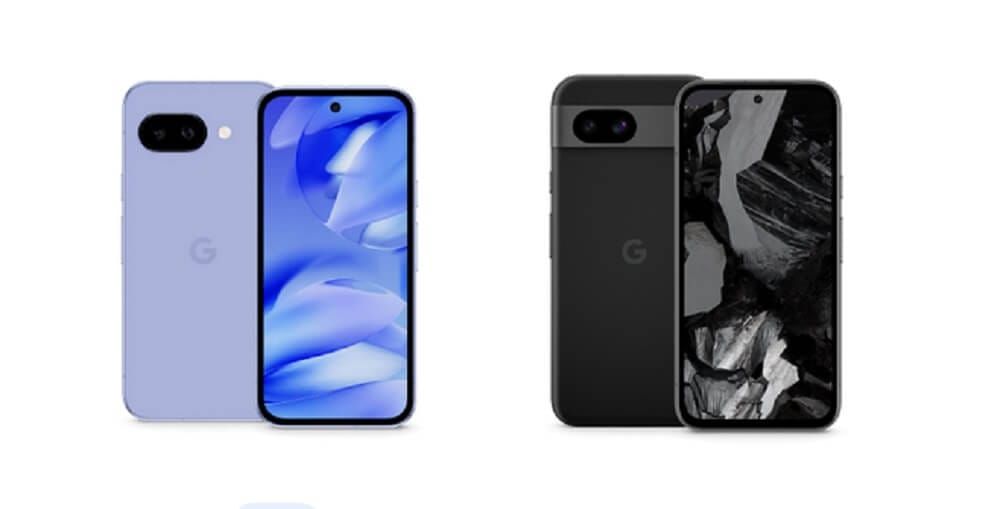
The Pixel series is a leading player in the smartphone market, delivering sleek designs, reliable performance and exquisite camera technology. Bursting onto the scene is the Google Pixel 9a, which wraps up the range’s best features into an affordable and impressive package.
In this Google Pixel 9a and 8a comparison guide, we’ve unpacked all the details encased within each handset to help you see how they differ. If you want to pick up the Pixel 9a or Pixel 8a for yourself, choose from a variety of colours and storage options to suit your tastes.
Spec comparison
Google Pixel 9a
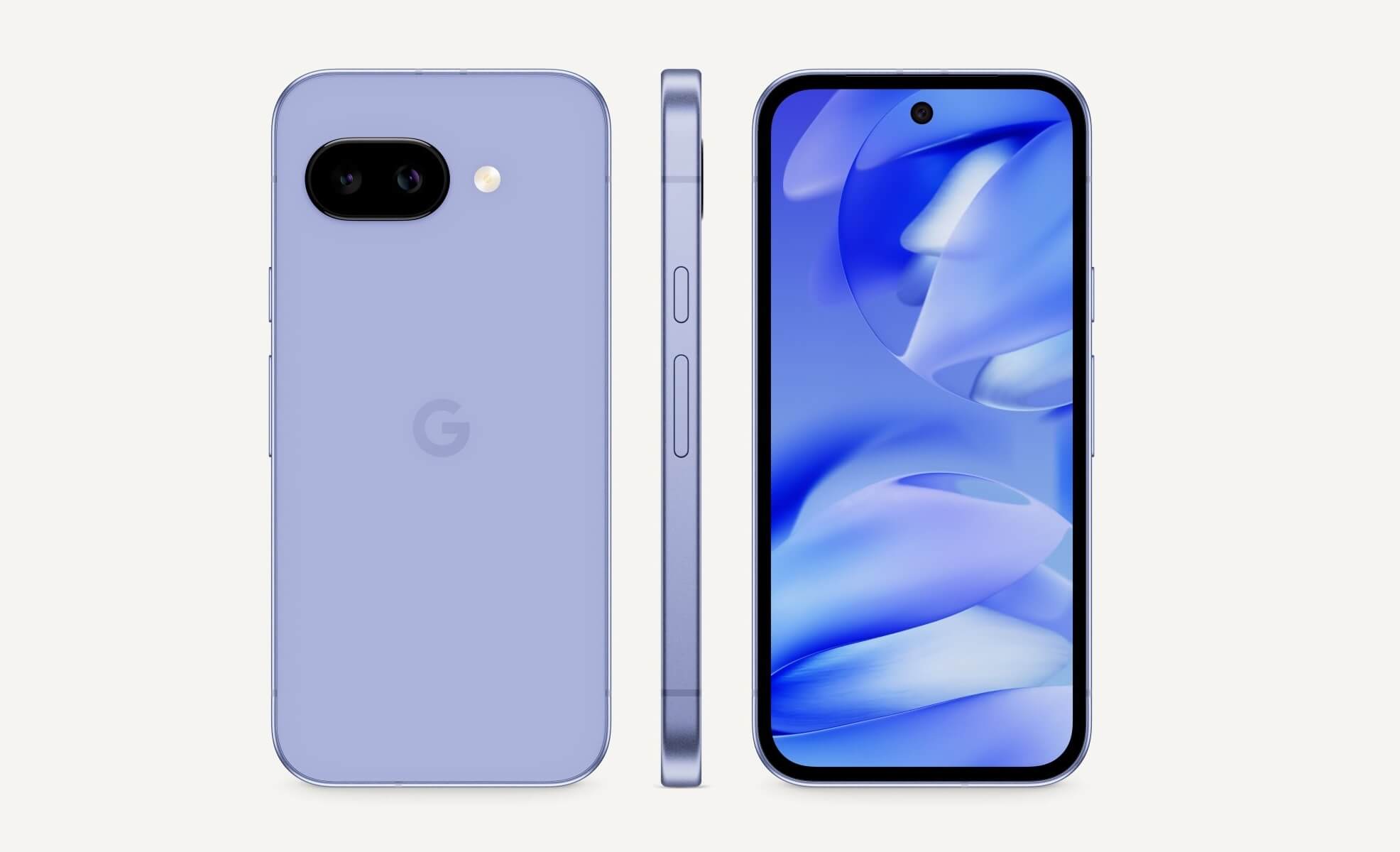
• Dimensions - 154.71 x 73.25 x 8.94mm
• Weight – 185g
• OS – Android 15
• Display – 6.3” Actua OLED
• Resolution – 1080 x 2424
• Processor – Google Tensor G4
• RAM – 8GB
• Storage – 128GB
• Rear cameras – 48MP wide; 13MP ultra-wide
• Front camera – 13MP
• Battery – 5,100mAh
• Water and dust resistance – IP68
• Connectivity – 4G; 5G; Bluetooth 6
Google Pixel 8a
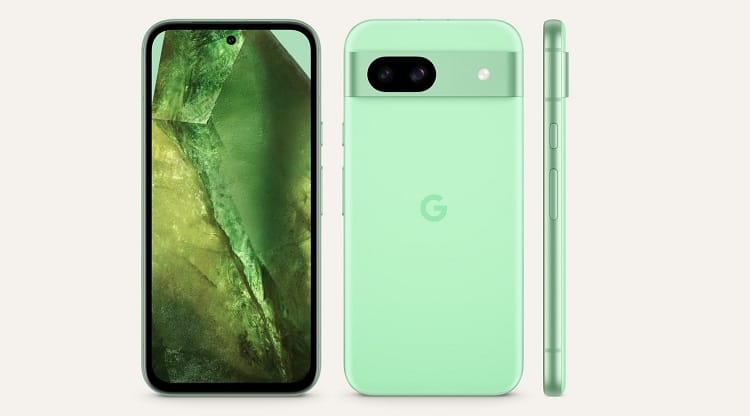
• Dimensions – 152.1 x 72.7 x 8.9mm
• Weight – 188g
• OS – Android 15
• Display – 6.1” Actua OLED
• Resolution – 1080 x 2400
• Processor – Google Tensor G3
• RAM – 8GB
• Storage – 128GB
• Rear cameras – 64MP wide; 13MP ultra-wide
• Front camera – 13MP
• Battery – 4,492mAh
• Water and dust resistance – IP68
• Connectivity – 4G; 5G; Bluetooth 5.3
Design
Key takeaways
• Pixel 9a doesn’t include the distinctive camera bar on the back
• Pixel 9a has IP68 water and dust protection, compared to the Pixel 8a’s IP67 rating
• Pixel 8a is slightly heavier than the Pixel 9a
• Both have Gorilla Glass 3 for screen protection
One of the most visible changes to the Google Pixel 9a is the removal of the raised camera bar on the rear of the phone, leaving the two lenses almost fully flush with the device for a smooth, sleek finish. The handset also exhibits a flatter back, instead of the rounded edges found on the Pixel 8a.
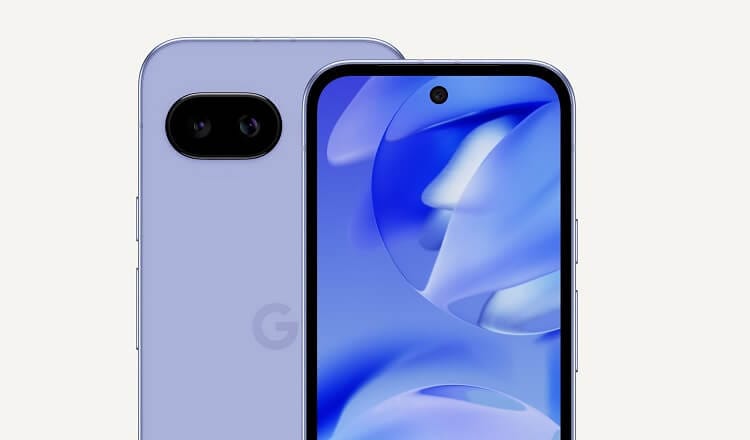
Weighing in at just 185g, the Pixel 9a is lighter than its predecessor that weighed 187g, making it feel a bit more comfortable in the pocket and when holding the phone. It’s an all-round larger device in terms of height and width, but we found that these dimension tweaks didn’t have a noticeable impact on portability.
Display
Key takeaways
• Pixel 9a has a slightly larger screen
• Pixel 9a has a higher peak brightness
• Both share a 120Hz refresh rate and HDR support
The Google Pixel 9a sports a 6.3” pOLED display, increasing in size from its predecessor by 0.2”. It also features a higher 1080 x 2424 resolution, enabling the Pixel 9a to output visuals in greater detail compared to the Pixel 8a.

Viewing the Pixel 9a when outdoors was much easier, thanks to its higher peak brightness of 2,700 nits. Colour levels were also boosted as a result, giving it an extra display advantage over the Pixel 8a.
The Pixel 8a does share a few significant display similarities with the Pixel 9a that keep it in the race, such as a 120Hz refresh rate to ensure everything feels silky-smooth, and HDR support for true-to-life contrasts. However, if you want the absolute best display possible from these two options, the Pixel 9a is the way to go.
Performance and software
Key takeaways
• Pixel 9a includes the faster Google Tensor G4 processor
• Both come with 8GB RAM
• Both support Android 15
• Both come with Pixel AI and Gemini support
Running the Google Tensor G4 processor, the Pixel 9a has an advantage over the Pixel 8a when it comes to performance. It boasts smoother and faster processing speeds which are ideal for heavy gaming sessions, streaming and general browsing online. The Pixel 8a remains an extremely fast phone, but the Tensor G4 certainly represents an upgrade.
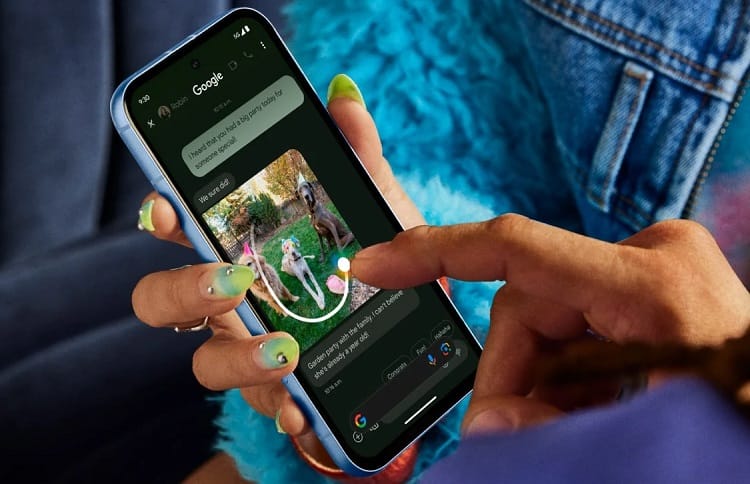
Support for Android 15 offers additional personalisation and security features on the Google Pixel 9a, sharing many of the same features as the Pixel 8a such as Theft Detection Lock and Private Space. Their AI capabilities are also incredibly similar, featuring the likes of Circle to Search for quick browsing, Magic Eraser for next-level photo editing, and Google’s Gemini.
Cameras
Key takeaways
• Pixel 9a’s wide camera doesn’t offer the same image quality as the Pixel 8a pixel-by-pixel
• Pixel 9a does offer far greater image stabilisation
• Pixel 9a packs in more features
Camera hardware is one area where the Pixel 8a has the 9a beat, at least from a pixel density perspective. Dropping from a 68MP wide and 13MP ultra-wide lens on the Pixel 8a to a 48MP wide and 13MP ultra-wide lens on its successor, photos on the Pixel 8a look sharper and more rich in detail. This change undoubtedly has an effect on overall image quality, but the Pixel 9a is still an impressive offering in its price range.
All is not lost for the Pixel 9a’s 48MP wide camera, however. An advantage it carries over the Pixel 8a is optical image stabilisation, a technique that shifts the optical path to the camera’s sensor by detecting movement via a gyroscope. This in turn helps to significantly reduce camera shake when taking a photo and boost image clarity.
Looking at the software level, the Pixel 9a builds on the fantastic feature foundations of the Pixel 8a with additional tools. One that is not present on the Pixel 8a is Add Me, which can be used to combine two photos together and ensure everyone is in the image. There’s also Macro Focus for taking extreme close-ups; useful if you enjoy snapping pictures of nature.
Videographers and filmmakers can enjoy both the Pixel 9a and 8a fairly equally, sharing features such as Magic Editor and Audio Magic Eraser. If you want more flexibility when editing your photos, the Pixel 9a comes with some extra goodies like Reimagine, a unique AI-powered feature that can be used to transform images and shape them in interesting ways.
Battery
Key takeaways
• Pixel 9a comes with a larger battery
• Pixel 9a can last up to 100 hours with Extreme Battery Saver mode enabled, compared to ~72 hours on the Pixel 8a
• Both share fast wired charging and wireless charging support
Undoubtedly, one of the biggest differences between the Pixel 9a and 8a is in the battery department. We were impressed by the 8a’s 4,492mAh battery when it released, but the 9a’s 5,100mAh unit far surpasses it for battery life. ~30 hours of usage is possible without any long gaming sessions or continuously streaming videos, and with Extreme Battery Saver mode enabled, you can get around 100 hours out of the Pixel 9a before charging it back up.
In terms of recharging, the Pixel 9a and 8a share parity and can’t really be separated. Both come with fast wired charging and wireless charging support, with the Pixel 9a having the slight advantage of supporting 23W instead of 18W.

Summary
As we’d expect from a generational upgrade, the Google Pixel 9a comes out on top over the Pixel 8a in most categories. If you’re looking to change up your current Pixel 8a or move over to the series, it represents an excellent budget-friendly option. That being said, the Pixel 8a remains a viable choice if you don’t need the extra bells and whistles provided by the Pixel 9a.
Need a hand moving your old data across? Our expert guide can help you through this process and start using your new device in no time.