
Dropped Phone In Snow: Recovery Guide
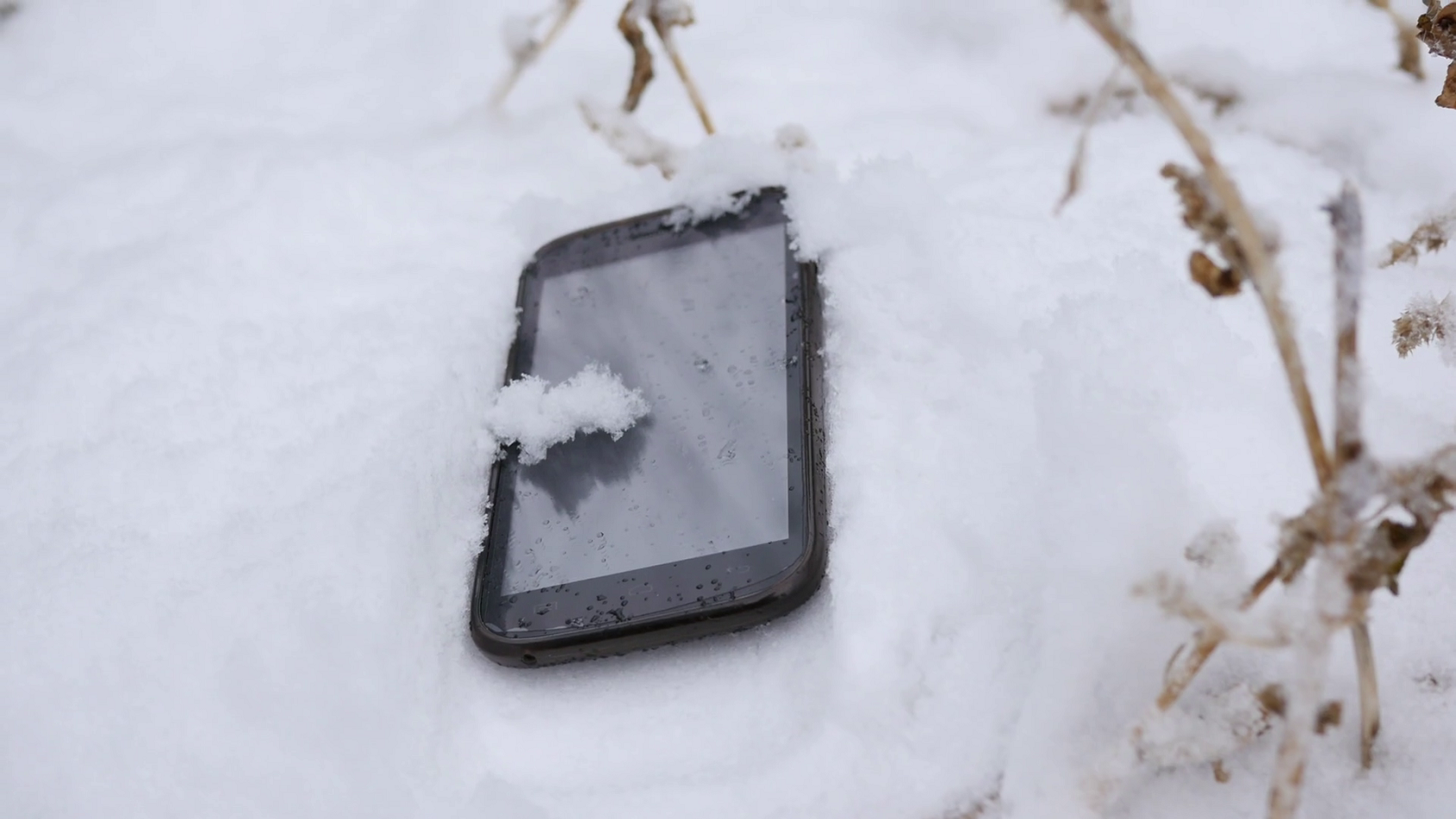
Winter weather can be loads of fun, but what is decidedly less fun is seeing your smartphone slide out of your pocket during a snowball fight and watching as it plunges into a cloud of frosty flakes.
The cold weather is known to cause issues with battery power, but direct contact with snow could possibly cause water damage, too. Most handsets have an IP67 or IP68 water resistance rating, but if yours doesn’t or you’re unsure, it’s best to play it safe and take action.
Follow these simple steps to ensure your smartphone doesn’t succumb to an icy end. If you find it can’t be recovered or you simply want to upgrade your phone, we have a dedicated collection to help you out.
Rescue it without delay
It may seem obvious, but the longer you leave your phone submerged, the lower your chances of reviving it. When you’ve extracted it, turn it off and remove the SIM card and battery, if you can. Wrap all the components in soft kitchen roll and check for serious water damage by examining the corner near the battery – most phones have a white square or circle. If this area is pink or red, your phone is most likely water-damaged and might need replacing.
Dry the insides (if you have a removable battery)
Now, grab a soft towel and gently sponge water from the exposed insides of the phone. Try not to move or shake it, because that could move water further inside and cause more damage.
Remove any water with the vacuum cleaner
If your phone is waterlogged, the next step is to reach for the vacuum cleaner. Hold it at a reasonable distance and suck the water out of the phone, paying attention to the headphone jack, charging port, speaker etc. Never use a hairdryer as this will blow the water into any cracks.
Search the house for silica
Silica gel could be your saviour. Not sure what we’re talking about? It’s in those little packets labelled ‘Silica – do not eat’ that you often get with new shoes, and it’s amazing at absorbing water. Put any packets you rustle up into a sealed sandwich bag with your phone.

If you can’t find any, rice can work, too; this isn’t usually quite as effective, however. Put your phone and its components (if you can take it apart) in a bowl of rice, rotating the phone every couple of hours. Leave it for at least a day, but the longer you can do without your handset, the better.
Be patient
Start a new boxset. Go back out into the snow and finish sledging. Go to bed. Just don’t switch your phone back on. The worst thing that can happen to a water damaged phone is that it short-circuits. A phone left for 72 hours stands a much better chance than one left for 24 hours.
Conclusion
After following these steps and tips, hopefully your snow-drenched phone is on the way to making a full recovery. We have a handy guide on the best water-resistant handsets on the market, if you’re conscious about water damage in future.