
The Best Large Screen Phones
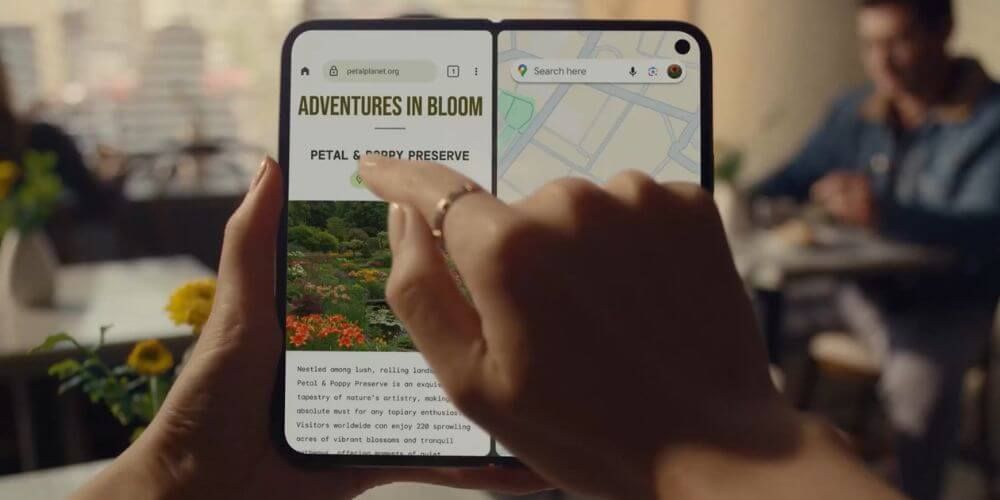
A large screen can be beneficial for various reasons; maybe you want the most immersive display experience possible, or you know someone a bit older who struggles to see smaller screens. Whatever the reason, there are plenty of handsets to choose from.
We’re here to break down the best phones that stood out for their large screen, so you can find the ideal handset for your needs. You’ll also find many of the phones below in our dedicated contract phones collection.
Best overall large screen phone: Samsung Galaxy S25 Ultra
Specifications
• Dimensions – 77.6 x 162.8 x 8.2mm
• Weight – 218g
• OS – Android 16
• Display – 6.9” Dynamic AMOLED 2X
• Resolution – 3120 x 1440
• Processor – Snapdragon 8 Elite for Galaxy
• RAM – 12GB
• Storage – 256GB/512GB/1TB
• Rear cameras – 50MP+200MP+50MP+10MP
• Battery – 5000mAh
• Water and dust resistance – IP68
Things we like
• Best-in-class 6.9” AMOLED screen
• S Pen support for easy editing and note-taking
• Superb performance
Things to consider
• The S Pen doesn’t support Bluetooth this time around, which might be annoying if you previously enjoyed using the gesture functionality for taking photos etc.
The best phone on our list is the Samsung Galaxy S25 Ultra; the flagship handset of the S25 series. No device impressed us more on the display front than this one, featuring a stunning 6.9” AMOLED screen with fantastic brightness levels. Outside of going for a foldable phone, there isn’t a display experience quite like what the S25 Ultra can offer.
We had to praise Samsung for including a 6.9” screen here, as it represented the first increase in display size on an Ultra model for several years. Moving from 6.8” to 6.9” might not seem like much, but that extra bit of screen real estate makes all the difference. The S25 Ultra’s display is simply more immersive as a result, and you have additional space to utilise the S Pen for taking notes or editing photos.
If there’s one downside to the S25 Ultra, it’s the lack of Bluetooth support on the aforementioned S Pen. We loved using the gesture functionality to take photos, so it’s a shame to see that go away. However, this absence did little really to dampen our love of the S25 Ultra. It’s a true blockbuster phone, with an outstanding screen to match.
Best iPhone option: iPhone 17 Pro Max
Specifications
• Dimensions – 163.4mm x 78mm x 8.75mm
• Weight – 233g
• OS – iOS 26
• Display – 6.9” Super Retina XDR
• Resolution – 2868 x 1320
• Processor – A19 Pro
• Storage – 256GB; 512GB; 1TB; 2TB
• RAM – 12GB
• Rear cameras – 48MP+48MP+48MP
• Battery – Up to 37 hours video playback
• Water and dust resistance – IP68
Things we like
• Apple’s Super Retina XDR technology still wows us
• The upgraded vapour chamber is extremely effective at keeping the phone cool
• One of the most visually striking Pro Max phones ever
Things to consider
• The 17 Pro Max is 4g heavier than the 16 Pro Max and 5” thicker, too, so bear this in mind if portability is important to your purchase decision
The iPhone 17 Pro Max is the phone of choice if you desire the largest screen from Apple. Its 6.9” OLED display dazzled us in our review, and fantastic features like True Tone and a 120Hz ProMotion refresh rate are here, too.
It’s worth noting that the 17 Pro Max comes with an almost-identical display experience as the 16 Pro Max, but there’s one key difference: brightness. The 17 Pro Max possesses a much higher 3000 peak nit count, so it can achieve higher brightness levels than its predecessor. The display is significantly more vibrant as a result, but it also means the 17 Pro Max really excels in bright outdoor conditions. We could easily take a photo with the triple-48MP camera array when it was sunny.
The addition of a 48MP telephoto camera does mean the 17 Pro Max is slightly heavier than the 16 Pro Max, but we didn’t find it to be cumbersome or weigh us down. Apple struck a great balance between improving what came before whilst maintaining the iPhone’s excellent ergonomics.
Best Google option: Google Pixel 10 Pro XL
Specifications
• Dimensions – 162.8 x 76.6 x 8.5mm
• Weight – 232g
• OS – Android 16
• Display – 6.8” Super Actua
• Resolution – 1344 x 2992
• Processor – Tensor G5
• Storage – 256GB; 512GB; 1TB
• RAM – 16GB
• Rear cameras – 50+48MP+48MP
• Battery – 5200mAh
• Water and dust resistance – IP68
Things we like
• Improved brightness over the Pixel 9 Pro XL
• The excellent HDR implementation produces inky blacks and vibrant colours
Things to consider
• The Tensor G5 processor brings a high level of performance, but other phones like the 17 Pro Max and S25 Ultra are slightly faster
Google’s Pixel series of phones have taken a significant leap forward in recent years, largely due to their fantastic AI feature suites and advanced camera setups. This rings true on the Pixel 10 Pro XL, and while it shares many of the same qualities as the Pro model, the 6.8” display alone makes it a firm favourite amongst the team.
Similar to the iPhone 17 Pro Max, the biggest generation-to-generation difference is in the brightness. The 10 Pro XL supports a peak nit brightness of 3300 nits; 300 more than the previous XL model. We appreciated this increase, as it made using the 10 Pro XL when outdoors much easier.
This beautiful display also comes into its own when utilising the 10 Pro XL’s excellent AI features. Camera Coach is one such feature, which we’ve raved about previously for its ability to suggest photography tips when taking a photo. Images captured on the 10 Pro XL are rich in detail, and we could easily tweak them with Camera Coach’s plentiful tips.
It’s safe to say we loved our time with the Pixel 10 Pro XL. The screen experience isn’t a million miles away from the 9 Pro XL, but the enhanced AI features and improved brightness build on it to create one of the finest Android phones around.
Best foldable option: Samsung Galaxy Z Fold7
Specifications
• Dimensions – 72.8 x 158.4 x 8.9mm (folded); 143.2 x 158.4 x 4.2mm (unfolded)
• Weight – 215g
• OS – Android 16
• Display – 8” AMOLED (unfolded screen); 6.5” AMOLED (cover screen)
• Resolution – 2184 x 1968 (unfolded screen); 2520 x 1080 (cover screen)
• Processor – Snapdragon 8 Elite for Galaxy
• RAM – 12GB / 16GB (1TB model only)
• Storage – 256GB; 512GB; 1TB
• Rear cameras – 200MP main; 12MP ultra-wide; 10MP telephoto
• Battery – 4,400mAh
• Water and dust resistance – IP48
Things we like
• No foldable phone screen comes close to the Z Fold7’s vibrancy and detail
• Ultra-thin design
• Excellent performance
Things to consider
• There’s no S Pen support this time around, which might be disappointing to some
Samsung feature again on our list, this time with the Galaxy Z Fold7. This is very much the crème de la crème of Android foldable phones, and easily earned its place here with some of the best screens around. In fact, the Z Fold7’s main display is the largest of the phones we’ve spotlighted.
Coming in at 8”, this handset’s unfolded AMOLED screen is a behemoth. Multitasking is an absolute breeze thanks to the enormous amount of real estate, and the experience of watching videos or playing games is unlike anything else on the market. This is as close as you can get to owning a tablet-like device in your pocket outside of gigantic handsets like the Z TriFold.
The folded cover screen is also supremely beautiful, and is 0.2” larger than the preceding Z Fold6. Traditional smartphones like the S25 Ultra offer a bigger single screen, but naturally you don’t get that 8” unfolded experience. Speaking of which, we could barely notice the crease where the screens fold together, which is impressive given how much of a problem this was for the earliest foldable phones.
Conclusion
Picking up a phone with a large screen like these doesn’t come cheap, but if you want as much display space as possible, the investment is undoubtedly worth it.
Whether you’re moving old data from an iPhone or an Android, we have a variety of guides to help you start using your new handset in no time.
FAQs
What are the drawbacks of a huge phone screen?
The biggest considerations with a large screen are size and weight. Portability will naturally be impacted by the big display, so they aren’t as easy to carry around. This often means they weigh more, too, but some manufacturers will offset this by using lighter materials like aluminium.
Which mobile phone has the biggest screen?
The Samsung Galaxy Z TriFold has the largest screen of any phone on the market, coming in at around 10” when unfolded.