
What is a SIM-Free Phone?
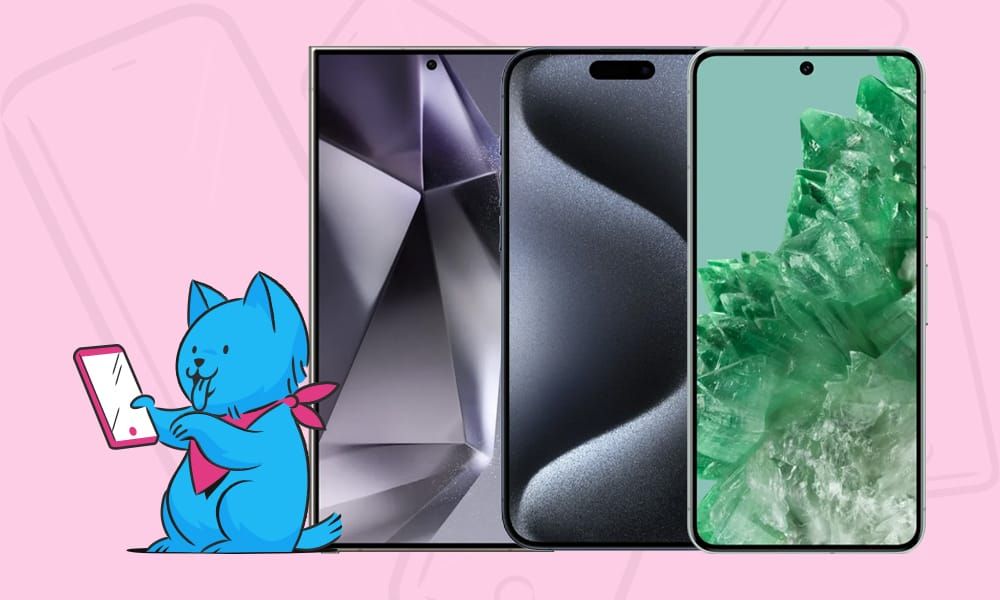
Chances are you’re already weighing up options for your next smartphone. Whilst your first instinct might be to purchase a handset on contract, there are some great bonuses to enjoy when picking a SIM-free smartphone. Let us take you through these benefits, what SIM-free means, and how it works in this essential guide.
Explore our collection of SIM-free phones from leading brands such as Apple, Samsung and Google.
What does SIM-free mean?
If you're looking for a new mobile phone, there are a few ways to get some tech in your pocket. You can purchase a contract and pay off your handset monthly, or buy your device upfront without a SIM included: this is referred to as a SIM-free phone.
Because your phone doesn’t have a SIM card installed when you receive it, you have the flexibility to use any network you wish. Ultimately, you’re paying for the phone itself, rather than a plan.
Why choose a SIM-free phone?
As we touched on previously, flexibility is a significant benefit of a SIM-free phone. However, there are several other considerations that come with this type of handset.
Cheaper in the long run
When purchasing a phone on contract, you're essentially paying back the cost of the handset within your monthly bill. Mobile phones are generally cheaper when purchased outright, rather than on a finance deal.
If you buy your handset upfront and pair it with a cheap SIM-only deal, you're likely to save money over a two-year period.
Shorter commitments on SIM-only
SIM-only deals are also great because they're a lot shorter than contract phone deals. Generally available with 1 or 12-month commitments, a SIM-only purchase helps you keep your options open.
Combining a SIM-free phone with a SIM-only purchase means you won't be restricted by the usual 24-month obligation. This leaves you free to change your phone more frequently, as well as having to wait much less time if you decide you fancy swapping to a different tariff or network.
Pay less on Pay-As-You-Go
If a 1 or 12-month contract is still too long, or you're a light user, there's yet another option in the form of Pay-As-You-Go (PAYG) SIMs. These are another great way to keep a close eye on what you spend.
When combining a PAYG SIM with your SIM-free phone, you only pay for what you use, giving you total control over your spending. There are no contractual obligations, so you can make a change whenever you want to.
What’s the difference between SIM-free and PAYG?
The key difference between SIM-free and PAYG is the flexibility afforded. SIM-free phones typically aren’t locked to any network and are therefore compatible with a variety of SIM card/network combinations. PAYG handsets are usually locked to a network, so you might have to pay to unlock it and use whichever network you wish.
Conclusion
As you can see, SIM-free phones can serve as a useful option for those wanting a bit more freedom when buying a handset. If you’re curious how much data you’ll need when choosing a SIM card, our detailed guide will help you determine what’s right for you.
SIM-free FAQs
Can I use my current SIM card in a new SIM-free phone?
Of course! Because SIM-free phones are unlocked and therefore not tied to a network, you can install an existing SIM card whenever you like.
How is my phone working without a SIM card?
Even without a SIM card, you can connect to the Internet and send app messages via a Wi-Fi connection. However, you won’t be able to make cellular calls, send SMS texts, or connect to the Internet when away from Wi-Fi.
How do I tell if my phone is unlocked?
To check if your phone is unlocked, try inserting a new SIM card from a different network and see if you can make calls or send SMS messages. If not, then your phone is locked to a particular network and requires a SIM card for that network.
Can a SIM-free phone save you money?
It’s possible to save money when buying a SIM-free phone, as the upfront cost plus a SIM-only plan might end up being more affordable than a contract deal. However, the upfront payment for a recently released phone will typically be on the higher end, so make sure to take that into account if you want a modern handset.