
The Best iPhones to Buy in 2025
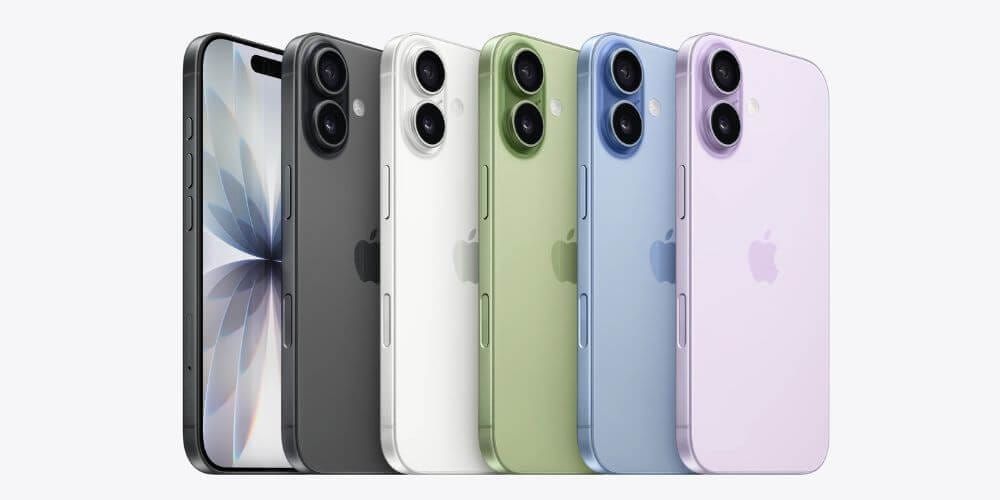
Since its launch in 2007, the iPhone has been one of the most popular and iconic smartphones on the market. Whether you're about to pick up your very first iPhone or you're a long-time Apple lover who’s ready for an upgrade, you’ll want to make sure you choose the right model for you.
To make things easier, we've compared the best iPhones to help you decide. Compare their specs and the features included with each handset, or take a look through our extensive iPhone collection.
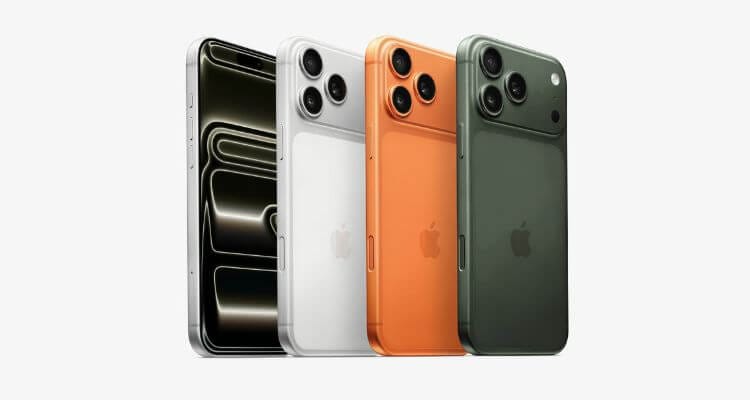
Best overall iPhone: iPhone 17 Pro Max
Specifications
• Dimensions – 163.4mm x 78mm x 8.75mm
• Weight – 233g
• OS – iOS 26
• Display – 6.9” Super Retina XDR
• Resolution – 2868 x 1320
• Processor – A19 Pro
• Storage – 256GB; 512GB; 1TB; 2TB
• RAM – 12GB
• Rear cameras – 48MP main; 48MP ultra-wide; 48MP telephoto
• Front camera – 18MP
• Battery – Up to 37 hours video playback
• Water and dust resistance – IP68
• Connectivity – Wi-Fi 7; Bluetooth 6; 5G
Things we like
• Stunning 6.9” display
• The A19 Pro CPU makes everything feel silky smooth
• One of the best camera arrays we’ve tested in some time
Things to consider
• The iPhone 17 Pro Max won’t be suitable for smaller budgets, so consider if you need those extra bells and whistles
For those wanting the best that Apple has to offer, we recommend the iPhone 17 Pro Max. Apple’s flagship model is no stranger to being top of our list, and the 17 Pro Max rightfully earns its place here with a fantastic combination of powerful hardware and software.
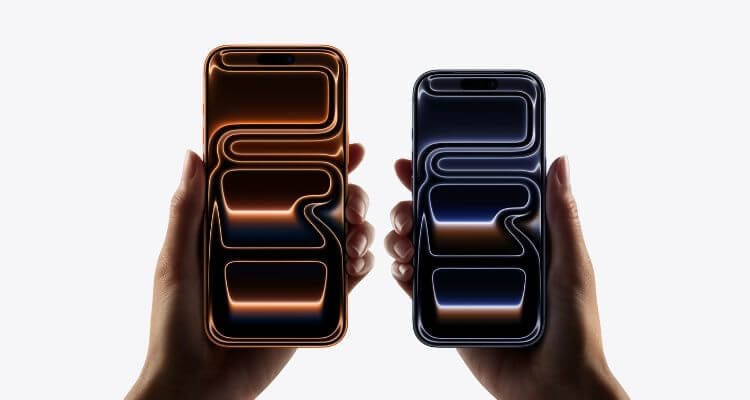
In many areas, the 17 Pro Max is very similar to its predecessor but with several smart refinements. Brightness was boosted to a peak of 3000 nits, giving it significantly greater vibrancy and overall visibility in bright environments. Keeping in the display department, Ceramic Shield 2 was also included to make the screen more resistant to knocks and accidental drops.
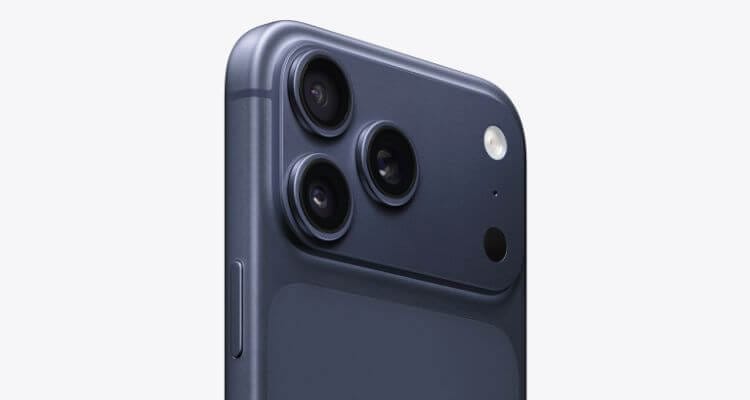
Whilst the 17 Pro Max’s display is largely the same as the 16 Pro Max, performance is a different story. The A19 Pro CPU’s extra horsepower provides substantial performance gains, whether you’re gaming, using of the phone’s many AI features, or taking a photo. The improved vapour chamber also plays a key role, being far more efficient at dissipating heat than previous handsets.
The improvements made to iOS, Apple Intelligence and camera technology are also worth mentioning. We highlighted iOS 26 in our dedicated breakdown, and we came away loving the visual and functionality enhancements, particularly Liquid Glass. The 17 Pro Max also benefits from features like Live Translation and Clean Up; the latter of which is extremely useful for removing unwanted elements in a photo. Speaking of photos, the jump from a 12MP telephoto camera to 48MP means you’re getting a triple-48MP array, which is outstanding.
All in all, even if you’re an existing 16 Pro Max owner, the 17 Pro Max is packed with enough enhancements and updates to make it a worthwhile investment. If you’re thinking of owning a Pro Max handset for the first time, there’s a good chance you’ll be blown away by what Apple have accomplished here.
Best high-end iPhone: iPhone 17 Pro
Specifications
• Dimensions – 150mm x 71.9mm x 8.75mm
• Weight – 204g
• OS – iOS 26
• Display – 6.3” Super Retina XDR
• Resolution – 2622 x 1206
• Processor – A19 Pro
• Storage – 256GB; 512GB; 1TB
• RAM – 12GB
• Rear cameras – 48MP main; 48MP ultra-wide; 48MP telephoto
• Front camera – 18MP
• Battery – Up to 31 hours video playback
• Water and dust resistance – IP68
• Connectivity – Wi-Fi 7; Bluetooth 6; 5G
Things we like
• Upgrading to a 48MP telephoto camera produces impactful results
• Similar performance to the flagship 17 Pro Max
• ~4 hours more battery life compared to the 16 Pro
Things to consider
• The iPhone 17 Pro offers a similar experience to its Pro Max sibling, but if you want the largest display possible out of the line-up, the 17 Pro Max is worth considering
The iPhone 17 Pro has a lot going for it. It’s comparable in many ways to the 17 Pro Max in terms of performance, AI features and camera hardware, all for a lower price tag. Yes, its Pro Max compatriot has a larger display and battery under the hood, but if you don’t need the absolute pinnacle of the 17 series, the iPhone 17 Pro is a fantastic option.
One of the biggest upgrades from the 16 Pro is the 48MP telephoto camera, up from 12MP. This will be great news for those that like editing their photos, as it means you can preserve more detail when cropping or adjusting images. You’ll also find a 48MP main camera and a 48MP ultra-wide option on the back, putting it on par with the 17 Pro Max. New features to the 17 series like Dual Capture are included, too; there really is very little separating the 17 Pro from its flagship sibling where photography is concerned.
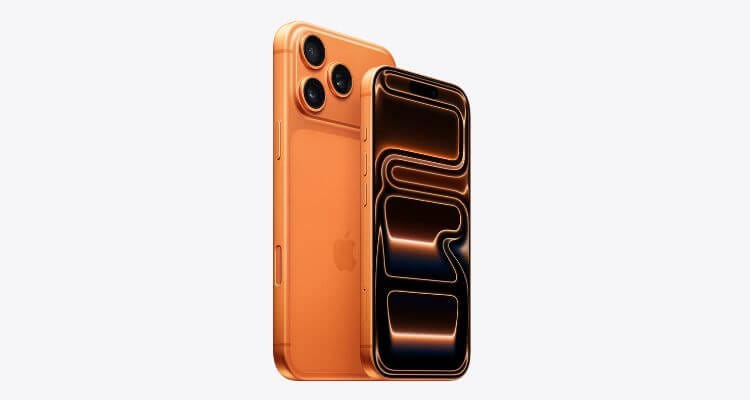
Another noticeable upgrade – particularly if you haven’t moved on from the 16 Pro or an older Pro model – is the improved battery life. Apple’s cadence for its generation-to-generation battery updates is reflected here, with support for around 4 hours of extra video playback. This follows the same trajectory as seen in previous releases (the shift from the 15 Pro to 16 Pro also saw a 4-hour increase in video playback), but this time you can recharge the 17 Pro with a 40W charger rather than 20W; equating to ~20 minutes of downtime before it reaches 50%.
Ultimately, the 17 Pro Max took the crown as the best iPhone money can buy, but the 17 Pro is an extremely close runner-up. It offers a premium-level iPhone experience that -despite not possessing the same visual capabilities – is up there with the very best handsets that Apple has produced in recent years.
Best mid-range iPhone: iPhone 17
Specifications
• Dimensions – 149.6mm x 71.5mm x 7.95mm
• Weight – 177g
• OS – iOS 26
• Display – 6.3” Super Retina XDR
• Resolution – 2622 x 1206
• Processor – A19
• Storage – 256GB; 512GB
• RAM – 8GB
• Rear cameras – 48MP main; 48MP ultra-wide
• Front camera – 18MP
• Battery – Up to 30 hours video playback
• Water and dust resistance – IP68
• Connectivity – Wi-Fi 7; Bluetooth 6; 5G
Things we like
• A budget-friendly way to experience features like Dual Capture and Centre Stage
• The 6.3” OLED screen is as beautiful as ever
• Significantly improved battery life over the iPhone 16
Things to consider
• You’re not getting a ‘Pro’ CPU here like on the 17 Pro or Pro Max, and there’s one less camera in the array. However, the base iPhone 17 sits just behind those premium models for battery life, and actually affords more video playback time than the iPhone Air
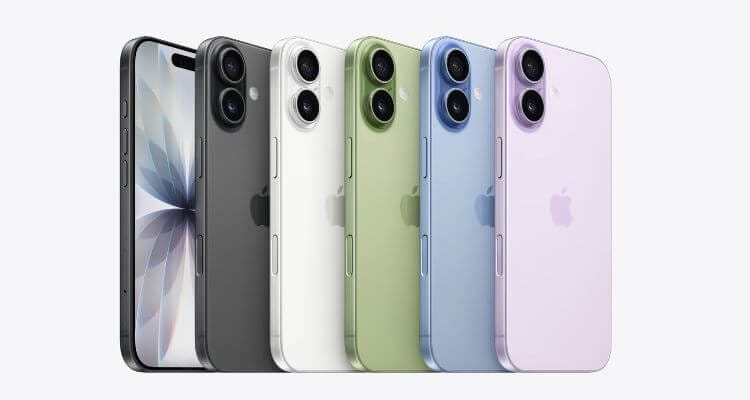
Like a lot of base-level iPhones we’ve reviewed in the past, iPhone 17 occupies a unique place in Apple’s line-up. In a world where handsets like the iPhone Air exist as a mid-to-premium choice, why should you choose the iPhone 17? It’s a reasonable question given the options, and we can confidently say that the iPhone 17 should be near the top of your list if you want a phone that balances two things exceptionally well: price and performance.
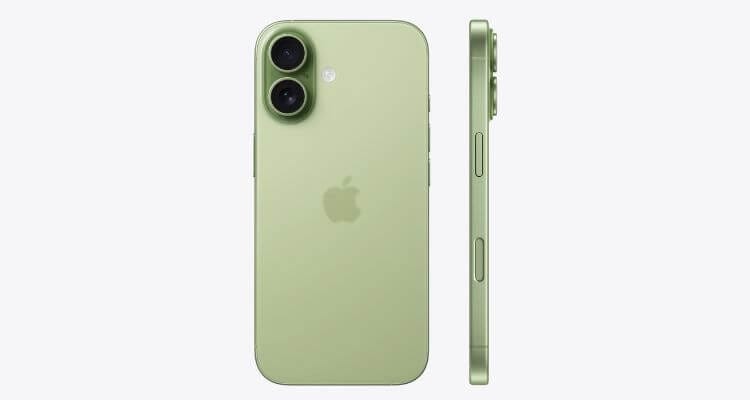
The iPhone 17 is home to a number of excellent features, many of which represent upgrades from the iPhone 16. The jump from a 6.1” screen to 6.3” is impressive on its own, but when you consider that the shift from iPhone 15 to 16 came with no screen size increase, this is quite the change. It makes using the base iPhone 17 a more immersive experience, especially when you also factor in display features like the ProMotion 120Hz refresh rate and much-higher 3000 nits peak brightness.
At this early stage, we were already deeply impressed by the iPhone 17 and its generational updates. Performance-wise, the difference from generation to generation isn’t huge, but whatever we threw at this phone was handled with ease. This is also the case with the iPhone 17’s bounty of software features, whether it’s iOS 26’s Liquid Glass update (which runs as smoothly as it sounds) or Visual Intelligence. The latter is similar to Google Lens and enables you to learn more about what’s on your screen; again, it works a treat.
The iPhone Air has its place on our list, but in the mid-range category, the iPhone 17 comes out on top. It offers the core 17-series experience without breaking the bank, and serves as a fantastic entry point to the range.
Best budget iPhone: iPhone 16e
Specifications
• Dimensions – 146.7mm x 71.5mm x 7.80mm
• Weight – 167g
• OS – iOS 26
• Display – 6.1” Super Retina XDR
• Resolution – 2532 x 1170
• Processor – A18
• Storage – 128GB; 256GB; 512GB
• RAM – 8GB
• Rear cameras – 48MP main
• Front camera – 12MP
• Battery – Up to 26 hours video playback
• Water and dust resistance – IP68
• Connectivity – Wi-Fi 6; Bluetooth 5.3; 5G
Things we like
• Outstanding battery life
• Only beaten by the iPhone Air for weight and portability
Things to consider
• The iPhone 16e’s display doesn’t come with additional features like the ProMotion refresh rate and Dynamic Island. There’s also only one camera on the back
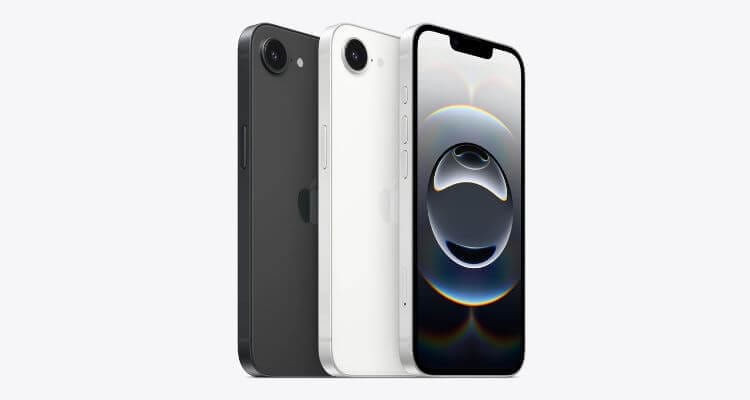
If you’re looking to pick up an iPhone on a budget, look no further than the iPhone 16e. This stripped-back model delighted us when we first reviewed it, with Apple managing to strike an effective balance between affordability and density of features. It remains our favourite budget iPhone and can’t be recommended enough if you don’t need a premium handset.
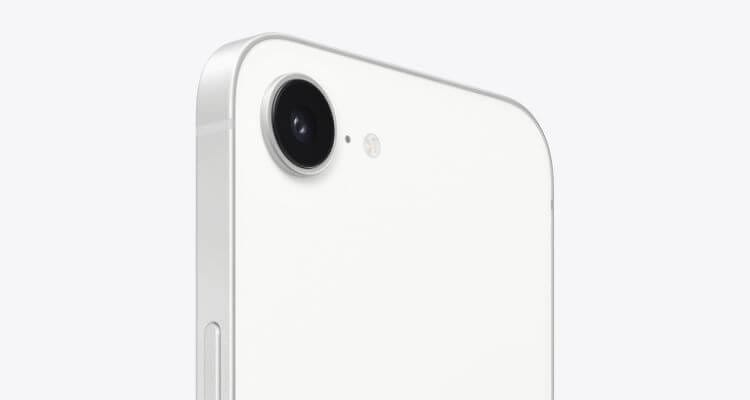
It might only be 6.1” in size, but the iPhone 16e’s screen packs in an incredible amount of detail. Industry-standard features like HDR are also included, so the visuals on display really do beguile the phone’s price tag.
Undoubtedly one of the 16e’s defining characteristics is its portability.
Weighing in at 167g, the only iPhone lighter than it is the iPhone Air, which was designed specifically to be the lightest and thinnest Apple handset on record. As such, we highly recommend the 16e to those that want a lightweight iPhone, or if you’re buying for someone travelling.
The iPhone 16e definitely shouldn’t be underestimated. Whilst it doesn’t come with the bells and whistles of a 16 Pro or Pro Max, it’s the ideal way to jump on the Apple train.
Best thin iPhone: iPhone Air
Specifications
• Dimensions – 156.2mm x 74.7mm x 5.64mm
• Weight – 165g
• OS – iOS 26
• Display – 6.5” Super Retina XDR
• Resolution – 2736 x 1260
• Processor – A19 Pro
• Storage – 256GB; 512GB; 1TB
• RAM – 12GB
• Rear cameras – 48MP main
• Front camera – 18MP
• Battery – Up to 27 hours video playback (up to 40 hours with iPhone Air MagSafe battery)
• Water and dust resistance – IP68
• Connectivity – Wi-Fi 7; Bluetooth 6; 5G
Things we like
• One of the thinnest and lightest smartphones on the market
• Beautiful 6.5” OLED display
• Exclusively supports the iPhone Air MagSafe battery for wireless charging
Things to consider
• The iPhone Air only comes with the one camera; it’s powerful, but you’ll find more camera versatility on the Pro and Pro Max models
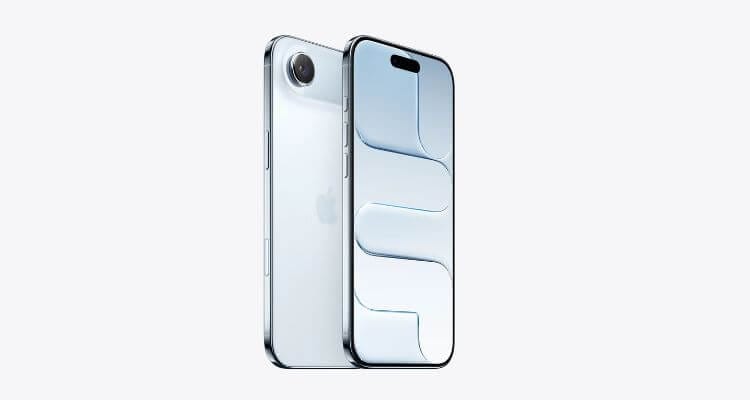
Debuting in 2025 as the replacement for the Plus model, iPhone Air is a wholly unique offering from Apple. First and foremost, it was positioned as the thinnest iPhone produced thus far; with a low weight to boot. This sounds great on paper, and we’re delighted to say that the iPhone Air lives up to the specs.
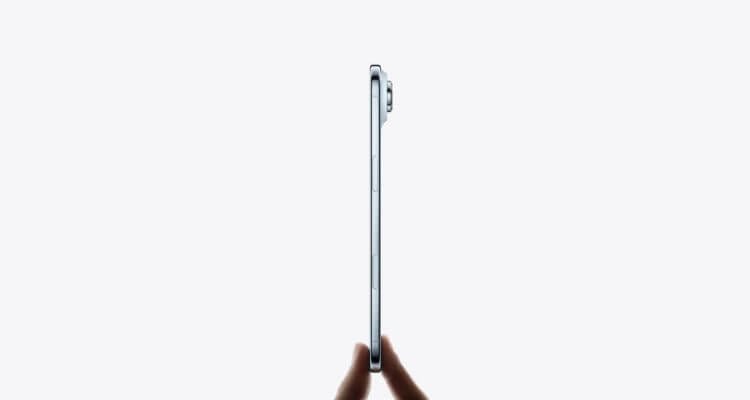
With a thickness of 5.64mm, this handset is more than 3mm thinner than the iPhone 17. When you’ve handled as many iPhones as we have, this is immediately noticeable when holding the iPhone Air. It feels extremely delicate in the hand, and you can hardly tell it’s in your pocket when moving around, too.
Being delicate doesn’t mean the iPhone Air feels fragile, however. Its body is constructed from durable titanium to protect it against damage, and there’s also Ceramic Shield 2 present on the front and rear of the phone. Combined, the iPhone Air handled the stress tests thrown its way and walked away unscathed.
With the design covered, let’s talk features. The iPhone Air backs up its unique design with the vast majority of the 17 series’ top additions, including Dual Capture, iOS 26, and updates to Apple Intelligence such as Live Translate. The only area where the iPhone Air doesn’t quite compete with its sibling handsets is photography, due to only having the one 48MP main camera. If this is enough for you and extra cameras aren’t required, there’s a lot to enjoy here.
Best last-gen iPhone: iPhone 16 Pro Max
Specifications
• Dimensions – 163 x 77.6 x 8.25mm
• Weight – 227g
• OS – iOS 26
• Display – 6.9” Super Retina XDR OLED
• Resolution – 2868 x 1320
• Processor – A18 Pro
• RAM – 8GB
• Storage – 256GB; 512GB; 1TB
• Rear cameras – 48MP main; 48MP ultra-wide; 12MP telephoto
• Battery – up to 33 hours video playback
• Water and dust resistance – IP68
• Connectivity – 5G; 4G; Bluetooth 5.3
Things we like
• The 6.9” OLED display is still one of the most detailed and vibrant screens around
• Feature suite is similar to the 17 series
Things to consider
• Some features from the 17 Pro Max aren’t included on the 16 Pro Max, such as Dual Capture and ProRes RAW video files
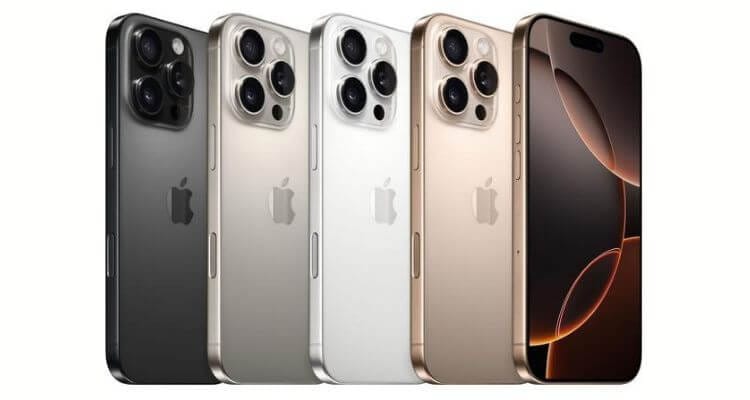
The pinnacle of the 16-series range is the iPhone 16 Pro Max, home to the powerful A18 Pro CPU. Despite not including some of the 17 Pro Max’s features like Dual Capture, this handset still has one of Apple’s most sophisticated camera arrays and remains a top iPhone option overall.
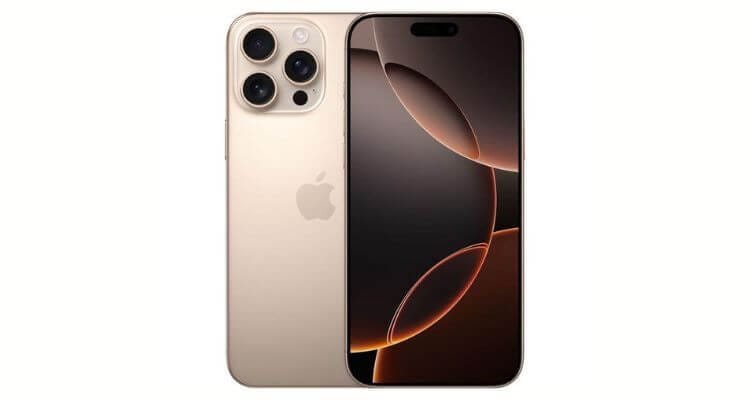
The standout feature of the 16 Pro Max is its stunning 6.9” display. It continues to deliver an outstanding experience for video playback, streaming or mobile gaming, supported by a sizeable battery that’s designed to support all your on-the-go needs. You’ll get more battery life out of the 17 Pro Max, but this phone is more than up to the task.
We loved the iPhone 16 Pro Max when it first launched, and that continues to this day. If you want a top-of-the-line iPhone but aren’t keen on jumping to the 17 series just yet, we absolutely recommend the 16 Pro Max.
Conclusion
These are the best iPhones money can buy, whether you’re after the leading handset from Apple or a budget-friendly device. Whichever you choose, you’ll likely need to sort out your old data. Our step-by-step guide will help you transfer everything across and start enjoying your new iPhone.