
Which iPhones Have Wireless Charging?
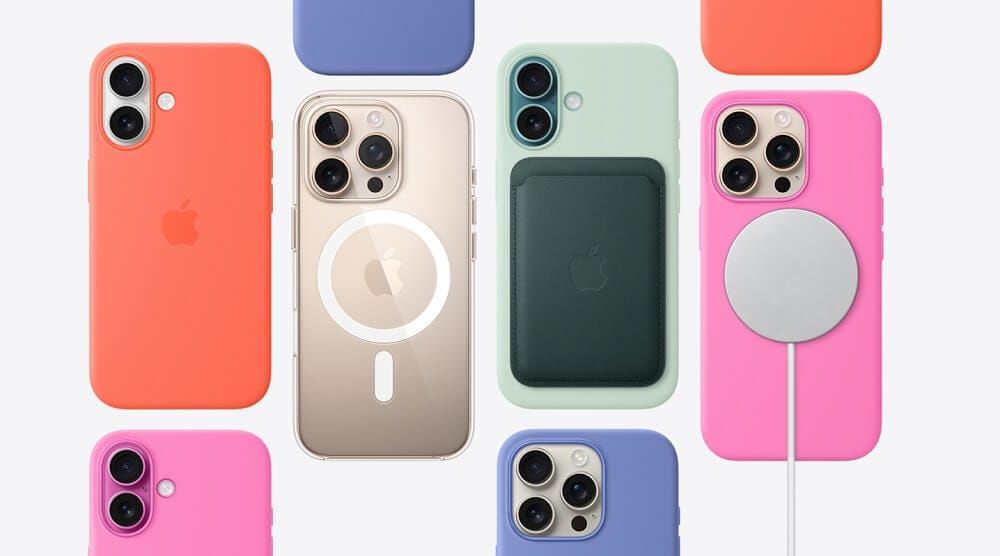
Many iPhones come with wireless charging support, enabling you to charge up your device without the need for cumbersome cables. If you’re wondering which iPhones can be wirelessly recharged, our smartphone experts are here to help.
Explore this complete list of compatible handsets and check out our range of contract and SIM-free iPhones.
Wireless charging on an iPhone
Since 2017 and the release of the iPhone 8, Apple have equipped their handsets with Qi wireless charging: a feature which makes charging your device quick and easy. If you’ve ever used a wireless charging pad, it will likely use Qi technology.
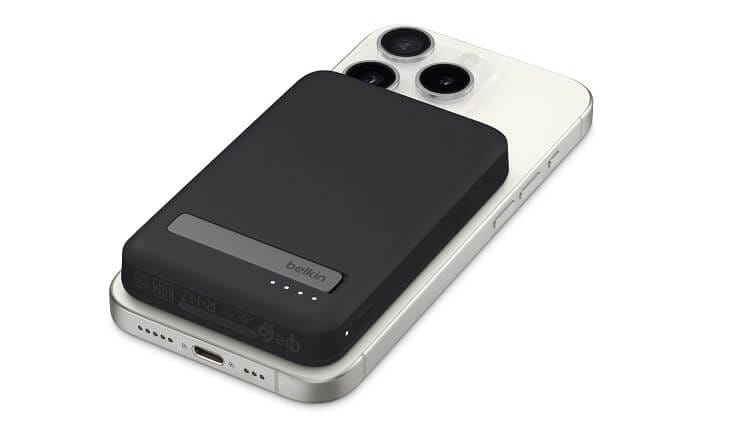
Unique to iPhones is MagSafe charging, introduced alongside the iPhone 12. As the name suggests, this technology uses magnets to connect the charging pad to your iPhone while you’re on the move. Initially offering 7.5W wireless charging speeds but later improved to support 25W, MagSafe is particularly useful if you need to recharge your handset in a pinch; simply attach the pad to your device and pop it in your bag or pocket.
iPhones compatible with wireless charging
Wireless charging is available on the following iPhone models:
• iPhone 17
• iPhone Air
• iPhone 17 Pro
• iPhone 17 Pro Max
• iPhone 16
• iPhone 16 Plus
• iPhone 16 Pro
• iPhone 16 Pro Max
• iPhone 16e
• iPhone 15
• iPhone 15 Plus
• iPhone 15 Pro
• iPhone 15 Pro Max
• iPhone 14
• iPhone 14 Plus
• iPhone 14 Pro
• iPhone 14 Pro Max
• iPhone 13
• iPhone 13 Plus
• iPhone 13 Pro
• iPhone 13 Pro Max
• iPhone 13 Mini
• iPhone 12
• iPhone 12 Plus
• iPhone 12 Pro
• iPhone 12 Pro Max
• iPhone 12 Mini
• iPhone 11
• iPhone 11 Plus
• iPhone 11 Pro Max
• iPhone SE (3rd Gen)
• iPhone X
• iPhone XS
• iPhone XS Max
• iPhone XR
• iPhone 8
• iPhone 8 Plus
Which iPhones don’t support MagSafe?
Any iPhone released before the iPhone 12 doesn’t support MagSafe. Despite releasing after the iPhone 12, this is also the case on the iPhone 16e and iPhone SE (3rd Gen).
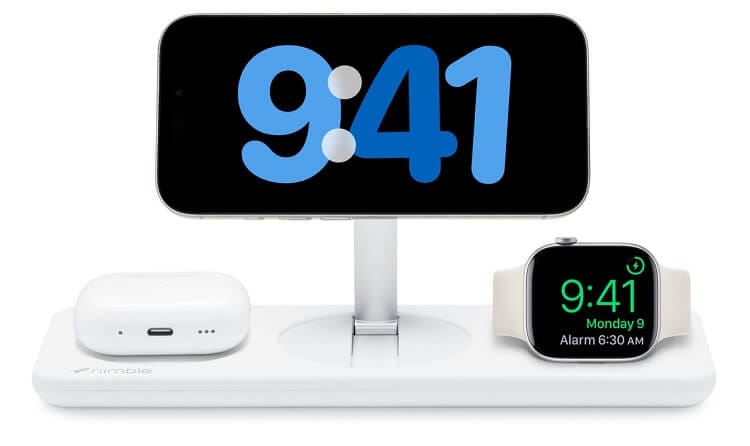
What are the benefits of wireless charging?
If you often misplace your charging cables, wireless charging is an easy solution to this problem. You don’t need a wire to connect your handset, so there’s no need to bundle a load of cables into a bag when your iPhone is low on power.
Wireless charging is also much kinder on your phone’s USB port. Continuous slotting and removing of charging cables can gradually wear down the port, meaning it might need to be repaired down the line.
These are the iPhones that come with wireless charging support. To learn more about how wireless charging technology works, check out our expert guide.