
Google Pixel 11 Pro XL Review
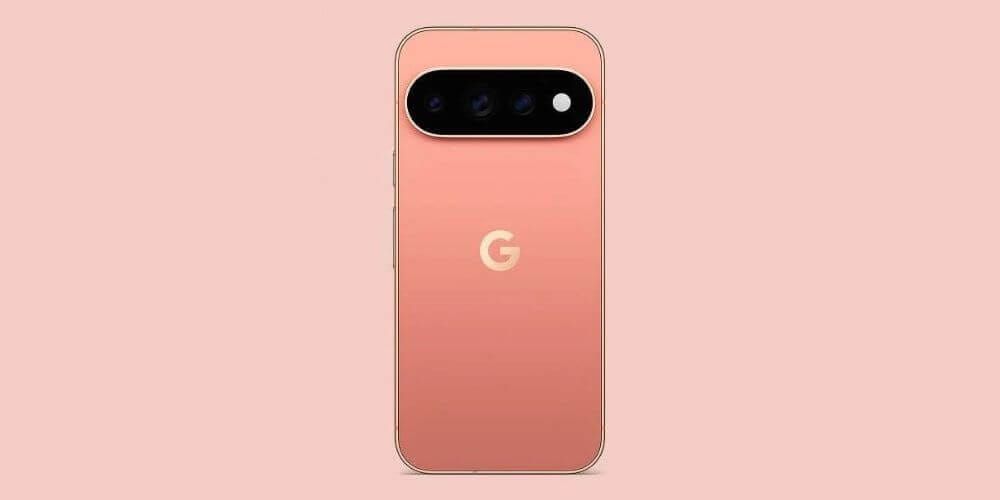
When the Pixel 10 Pro XL landed in 2025, we were big fans of the improvements made to that handset over previous generations. The Pixel 11 Pro XL is an interesting iteration of Google’s high-end model; it’s undoubtedly a refined update of the previous handset in the range, but those updates won’t be immediately apparent; the good stuff is under the hood.
Specifications
• Release date – 20th August 2026
• Dimensions – 162.7 x 76.5 x 8.5mm
• Weight – 226g
• OS – Android 17
• Display – 6.8” Super Actua display, 1-120Hz refresh rate
• Resolution – 1344 x 2992
• Processor – Google Tensor G6
• RAM – 12GB (16GB on 512GB and 1TB storage options)
• Storage – 256GB; 512GB; 1TB
• Rear cameras – 50MP wide; 48MP ultrawide; 48MP telephoto
• Front camera – 42MP
• Battery – 5,115mAh
• Water & dust resistance – IP68
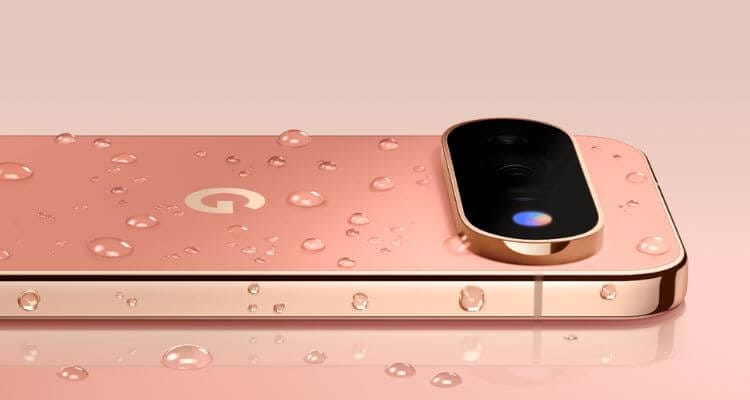
When did the Pixel 11 Pro XL release?
The Google Pixel 11 Pro XL was announced on the 12th August 2026, with a release date of 20th August 2026.
Design
Fundamentally, the design of the Pixel 11 Pro XL is almost identical to its 10 Pro XL predecessor. The corners are rounded, the camera bar is that distinctive oval box, and the phone itself is made from recycled aluminium. There are some very minor design tweaks that Google made, such as reducing the weight by 6g from the 10 Pro XL, but the foundations of this handset will be familiar.
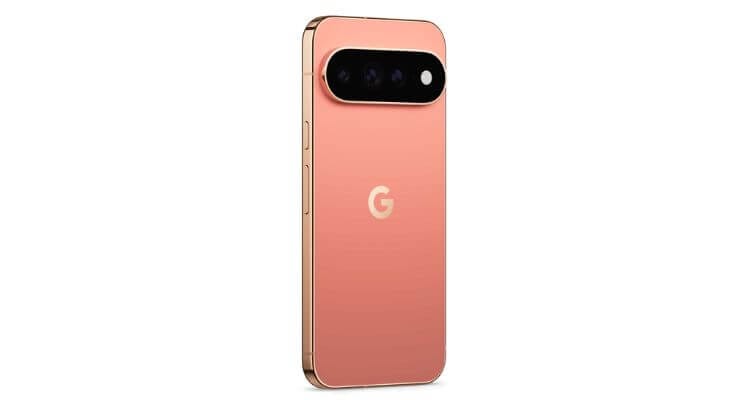
We mentioned at the start that many of the 11 Pro XL’s improvements are somewhat invisible, and the enhanced anti-scratch coating is an example of that. After putting the phone through its paces, we found that the 11 Pro XL’s screen is indeed more resistant to scratch damage, which is a significant win.
One addition that isn’t invisible – but not everyone will know it’s there – is the new HiLight feature. This little light sits inside the rear camera box and is designed to light up when performing certain actions, for example when talking to Gemini or receiving a call. It’s nice to able to engage with the phone without needing to pick it up.
Display
In the display department, things are also very familiar. You’re getting the same 6.8” Super Actua screen and an unchanged 1344 x 2992 resolution, complete with full HDR support and a 1-120Hz refresh rate.
Brightness has been dialled up to 2,400 nits this time around for HDR content, with an improved peak brightness of 3,600 nits compared to the 10 Pro XL’s 3,300 nits peak. That is already a very bright phone, so the increase in nits won’t necessarily translate to improved visibility for everyone. However, we appreciated how the 11 Pro XL’s display colours popped even more as a result.
Performance & software
Make no mistake, the Pixel 11 Pro XL is faster than its predecessor; however, it does suffer due to wider market conditions. Before we touch on that, the Tensor G6 processor brings natural generation-to-generation speed improvements, particularly in AI where it feels more responsive and snappy with responses. The Tensor CPU has long been a fantastic chip for AI, so the 11 Pro XL is an easy phone to recommend if you want a top AI-powered handset.
Now, there is an elephant in the room that can’t be ignored: the skyrocketing of memory prices. As of the 11 Pro XL’s launch, RAM is still incredibly expensive and this phone does appear to be a victim of that. The base 256GB 11 Pro XL comes with 12GB RAM, down from 16GB on the base 10 Pro XL. It’s an unfortunate side effect of market events, and does mean you’ll need to pick up the 512GB or 1TB model to get the full 16GB RAM for that extra boost in performance power.
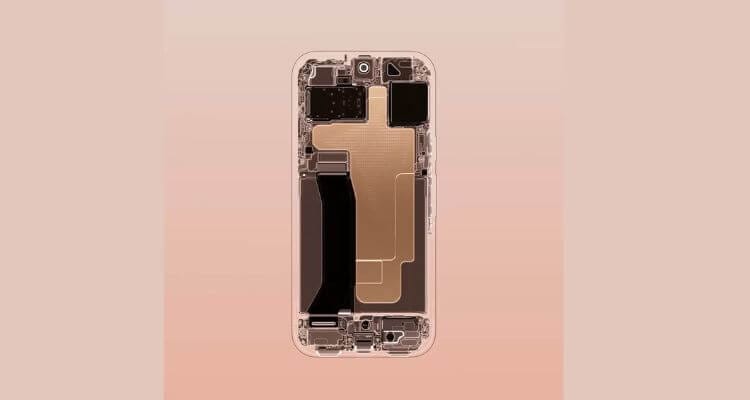
On the plus side, the 11 Pro XL does come with Android 17 out of the box. This version supports the app ‘bubbles’ feature for easier multitasking, and splits the Wi-Fi/mobile data settings back into separate buttons in the settings menu; a very handy quality-of-life update.
Cameras
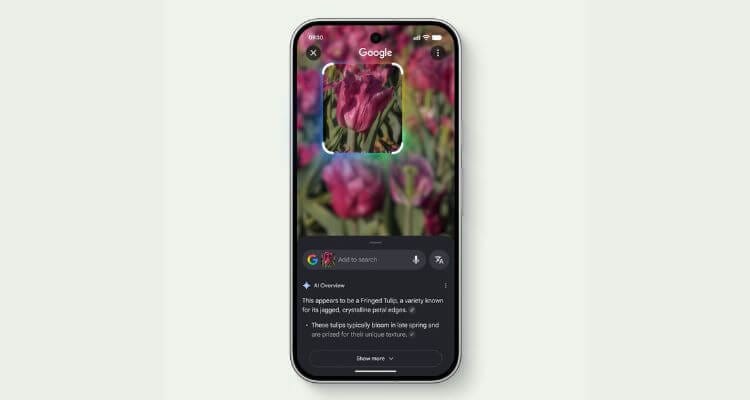
The 10 Pro XL had a superb camera array, so we weren’t hugely surprised to see Google sticking with what worked so well. The 11 Pro XL comes with the same 50MP wide, 48MP ultrawide and 48MP telephoto cameras - albeit the latter is equipped with a larger sensor to allow in more light for brighter photos.
There’s a new ‘Camera Looks’ feature that we came away impressed by. When taking a photo, you can apply a particular ‘look’ that fundamentally changes the ambience of the image, such as giving a photo a more filmic aesthetic. Crucially, this feature still takes the Pixel 11 Pro’s Real Tone technology into account, so you end up with photos that look drastically different without losing accurate skin tones. It’s fun to experiment with, and feels like another great addition to the Pixel’s already excellent photography toolkit.

Battery
Battery life on the 11 Pro XL is interesting, as Google state you can get over 30+ hours of usage from the handset despite having a slightly smaller 5,115mAh battery. Having used the phone ourselves, we can certainly attest to that.
This increase in possible battery usage is potentially due to the Tensor G6 being a more efficient CPU, with the 11 Pro XL being able to perform the same tasks as the previous phone without using as much power.
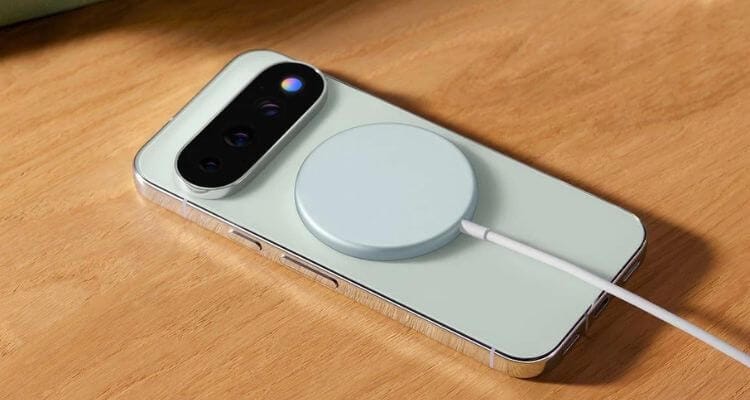
When it comes to recharging the 11 Pro XL, Google state you can get up to 75% battery life in ~30 minutes with a 45W charger. The 10 Pro XL could reach 70% in around the same time; however, the offset being that using the 11 Pro XL for longer means you can potentially recharge it at times when you don’t need it, such as overnight.
Final thoughts
The Pixel 11 Pro XL is ultimately a case of refinement, rather than revolution. This is hardly a surprise when Google have seemingly nailed the core fundamentals of its XL models, and you’re likely to see a much bigger improvement if moving from an older Pixel phone. It might be the time to make the jump if you’ve been hanging on to that 9 Pro XL.