
iPhone Air Review
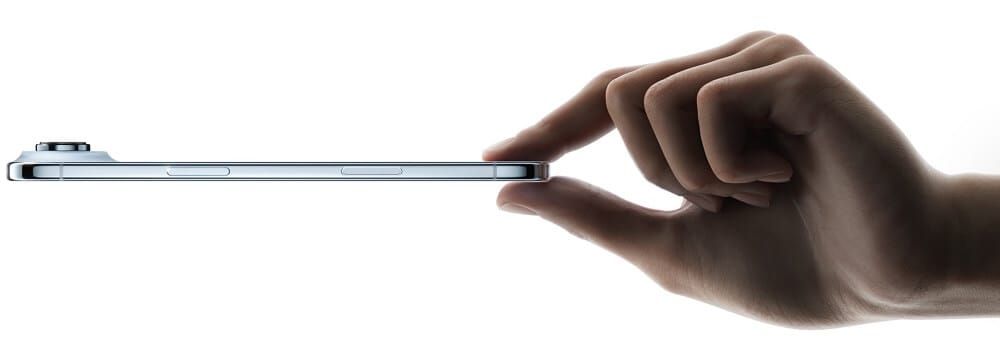
The iPhone 16 series marked a period of experimentation for Apple. It introduced the iPhone 16e – the successor to the SE model – as a new entry-level iPhone option, which brings us onto the iPhone 17 range. This series landed with another debut handset, another smartphone that shifted the iPhone status quo in interesting ways: the iPhone Air.
In this review, we’ll dive into the iPhone Air’s standout features – such as its exceptionally thin design – and see how it stacks up amongst the iPhone pantheon.
Pick up the iPhone Air for yourself with up to 1TB storage space.
Things we like
• Even thinner than the sleek Galaxy S25 Edge
• Beautiful 6.5” 120Hz display
• Impressive battery, particularly given how thin the phone is
Things to consider
• Only one rear 48MP camera
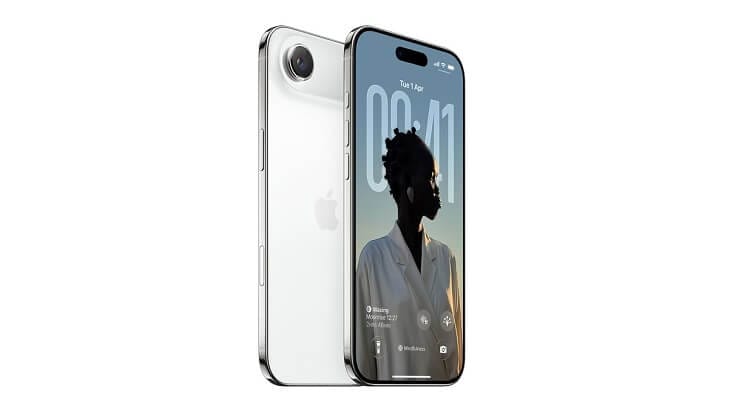
Release date
The release date of the iPhone Air is 19th September 2025.
Specifications
• Dimensions – 156.2mm x 74.7mm x 5.64mm
• Weight – 165g
• OS – iOS 26
• Display – 6.5” Super Retina XDR
• Resolution – 2736 x 1260
• Processor – A19 Pro
• Storage – 256GB; 512GB; 1TB
• RAM – 12GB
• Rear cameras – 48MP Fusion main
• Front camera – 18MP
• Battery – Up to 27 hours video playback (up to 40 hours with iPhone Air MagSafe battery)
• Water and dust resistance – IP68
• Connectivity – Wi-Fi 7; Bluetooth 6; 5G
Design: You’ll barely know it’s there
We can’t talk about the iPhone Air without addressing the elephant in the room: its thin design. We’re talking a depth of 5.64mm, which is more than 2mm thinner than the iPhone 17 and iPhone 16e. This form factor is one of the biggest selling points of the iPhone Air and clearly marks it out as a pocket-friendly alternative for those that want a more portable iPhone option.
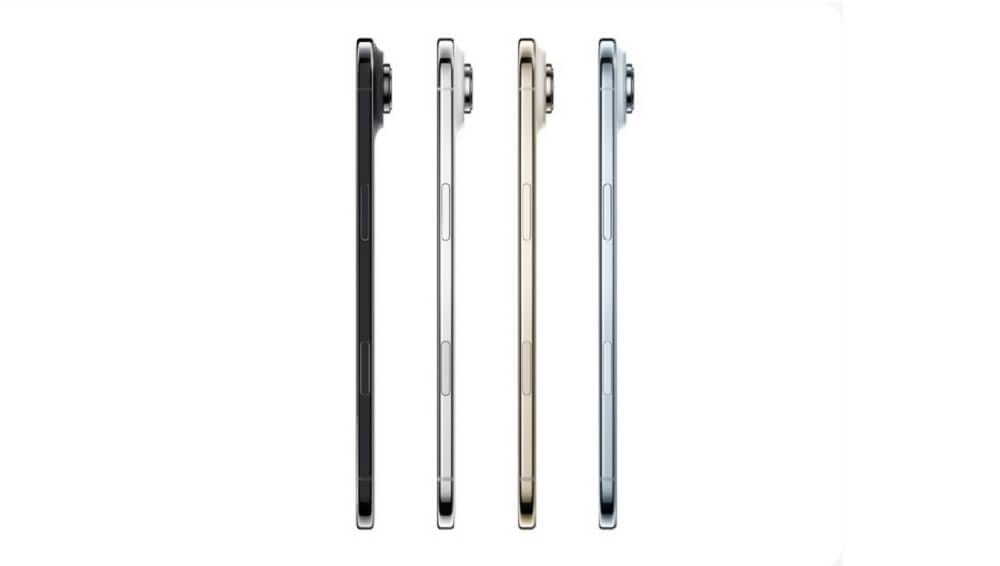
Quite remarkably, the iPhone Air is also the winner when it comes to weight. Being 165g means it’s lighter than the iPhone 16e by 2g; impressive given that the 16e was deliberately designed as a lightweight, entry-level choice. The weight is made even more impressive by the fact that it’s made from titanium, which is denser than aluminium.
True to its name, you can barely tell you’re holding the iPhone Air. If you like your smartphone to carry a bit of heft, we’d recommend the iPhone 17 Pro Max and its denser construction; if you do want a handset with a minimal profile, you’ll find few better options than the iPhone Air.
Display: Plus in all but name
Despite the different name, the iPhone Air very much takes the spot of the Plus model when it comes to screen quality. The 6.5” display is indeed smaller than the iPhone 16 Plus’ 6.7” offering, but it more than makes up for it with a 120Hz ProMotion refresh rate. The results are fantastic: the visual output is fast, responsive, and beautiful to boot.
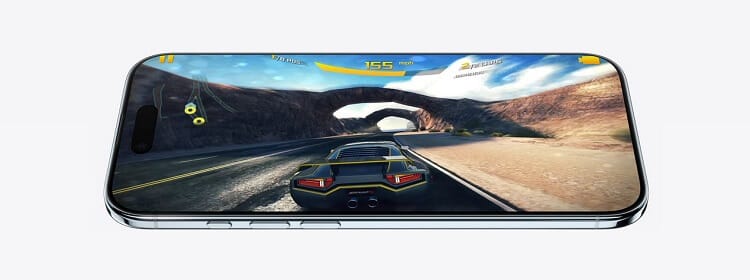
The resolution of the screen is slightly lower than the 16 Plus at 2736 x 1260, but you can barely tell the difference. Playing a game with high graphical settings or watching 4K videos is a treat, never failing to impress with the exceptional level of detail on offer.
Feature-wise, the iPhone Air has everything you’d expect from a modern Apple handset. Dynamic Island is included, as is True Tone and HDR for improved colour levels.
Performance – Efficiency is king
Like the rest of the iPhone 17 series (minus the base iPhone 17), the iPhone Air is equipped with the A19 Pro CPU. From a raw performance position, this equips the iPhone Air with plentiful power to run games, multitask between apps, and take beautiful photos with barely a hitch.
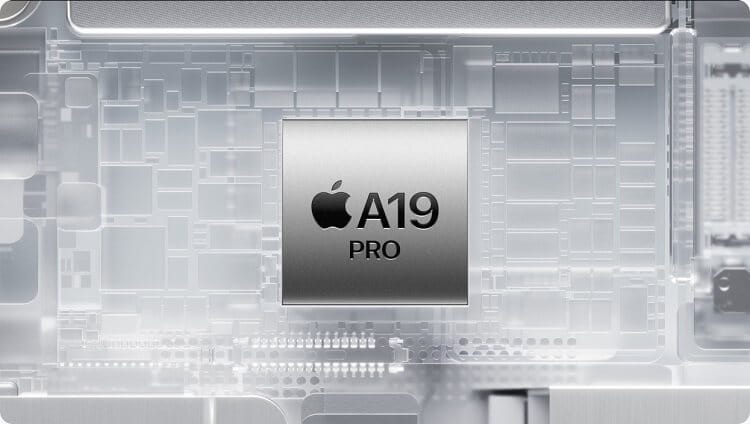
A jump in CPU generation – in this case, A18 to A19 – usually brings improved performance with it, but what’s impressive about the iPhone Air is how this is achieved. The A19 Pro contains the same number of cores as the A18 across the CPU, GPU and AI-focused Neural Engine; instead, Apple focused on efficiency and ensuring these cores perform faster without needing to up the number of them. It worked brilliantly, and the iPhone Air is lightning-fast across most tasks.
Software – A visual and functional treat
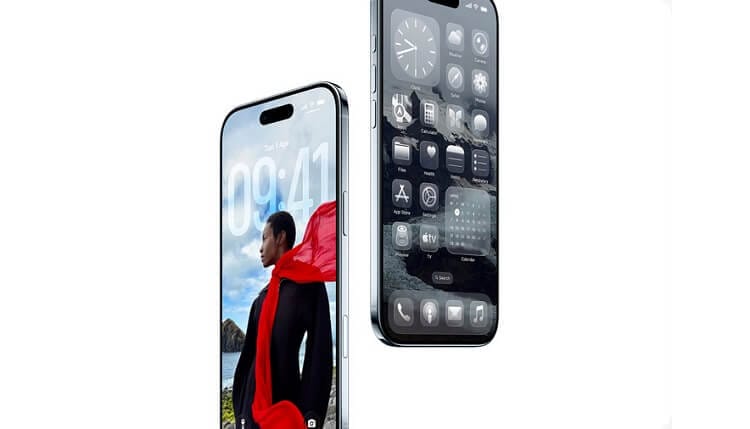
The iPhone Air comes equipped with iOS 26, which introduced a variety of visual and functional features. The key aesthetic update is Liquid Glass, which gives every icon and menu a glassy, translucent effect. This is dynamic, too, so the glass effect will refract the background differently depending on what’s behind the icon or menu. Alongside this wide-reaching update, other areas of iOS were enhanced to make them easier to use, such as the Lock Screen and its ability to dynamically move the clock if something in the wallpaper is obstructing it.
Apple Intelligence also received some noticeable updates in iOS 26, including Live Translation, greater depth to the Genmoji feature, and more intelligent planning based on what’s on your screen.
Cameras – Not as versatile, but excellent results
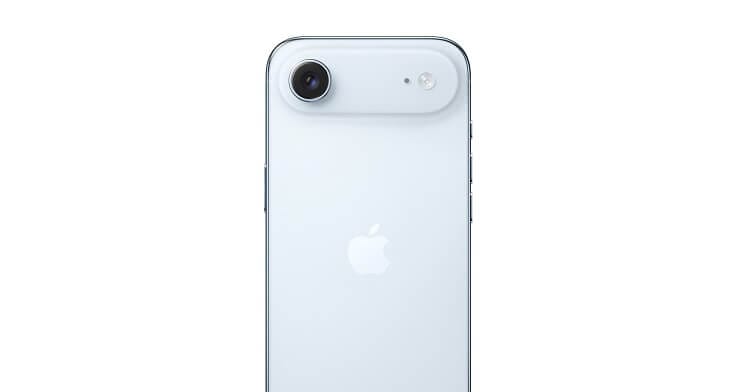
Whilst the iPhone Air doesn’t offer the same level of versatility in the camera department as its 17-series siblings, what’s included is nonetheless impressive. You’re getting a single 48MP Fusion camera with 1x and 2x optical zoom options, along with support for Smart HDR 5 and Apple’s Photonic Engine that provides enhanced image quality.
The lightweight nature of the iPhone Air makes it a fantastic filming device, too, as it can easily be carried around and pulled out at any time to record stunning footage. 4K Dolby Vision video is supported up to 60 frames per second, as is Dual Capture mode for recording a subject and yourself simultaneously.
Battery – The MagSafe battery is a lifesaver
The iPhone Air’s battery can last a very respectable 27 hours of video playback, but what really stands out on this handset is the (sold separately) iPhone Air MagSafe Battery. This unique accessory can boost battery life up to an impressive 40 hours, so it comes highly recommended if you’re ever worried about losing power during the commute. Even without it, however, you should be absolutely fine.

When it comes to recharging the iPhone Air, 30W charging is supported with an appropriate adapter. This should get the phone back up to 50% in around 30 minutes; incredibly useful when you need power in a pinch.
Summary
Coming away from our time with the iPhone Air, it’s a genuinely refreshing addition to the iPhone lineup. Apple’s focus on lightweight construction and extreme portability is well-achieved, positioning it as a unique iPhone option; particularly for those that desire the thinnest – and lightest- smartphone available.
Looking to pick up the iPhone Air but worried about your old data? Easily transfer your data with our step-by-step guide.