
Google Pixel 11 Review
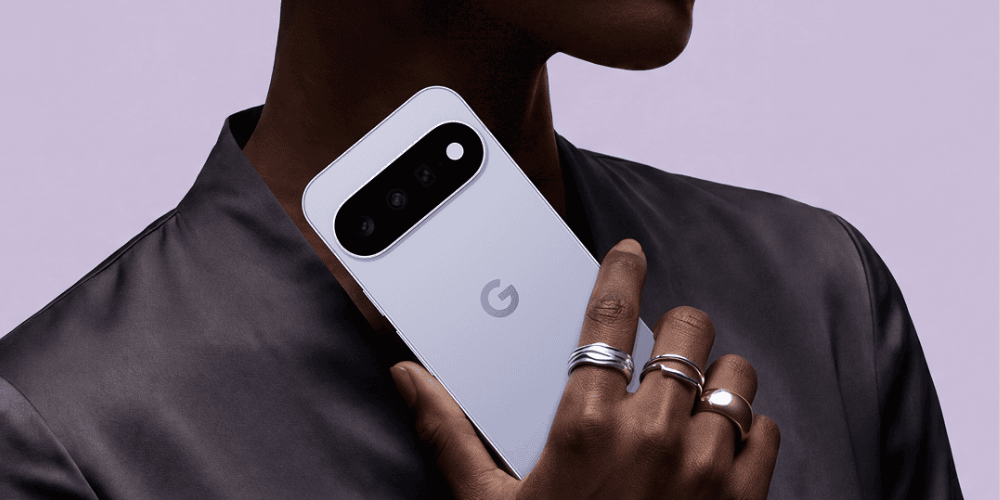
When we look back on the Pixel 10 era, it really did represent a significant jump for Google’s base smartphone model. Almost everything was improved or changed, and the results spoke for themselves when that phone launched. These enhancements are put into even greater focus when reviewing the Google Pixel 11, with this iteration being more about refinement than wholesale changes. If you own a much older Pixel handset or haven’t dabbled in the Pixel world for a while, you’ll get a lot out of the Pixel 11.
Specifications
• Release date – 20th August 2026
• Dimensions – 152.8 x 72 x 8.6mm
• Weight – 197g
• OS – Android 17
• Display – 6.3” Actua display, 60-120Hz refresh rate
• Resolution – 1080 x 2424
• Processor – Google Tensor G6
• RAM – 12GB
• Storage – 256GB; 512GB
• Rear cameras – 48MP wide; 13MP ultrawide; 10.8MP telephoto
• Front camera – 10.5MP
• Battery – 4,985mAh
• Water & dust resistance – IP68
When did the Pixel 11 release?
The Google Pixel 11 was announced on the 12th August 2026, with a release date of 20th August 2026.
Design
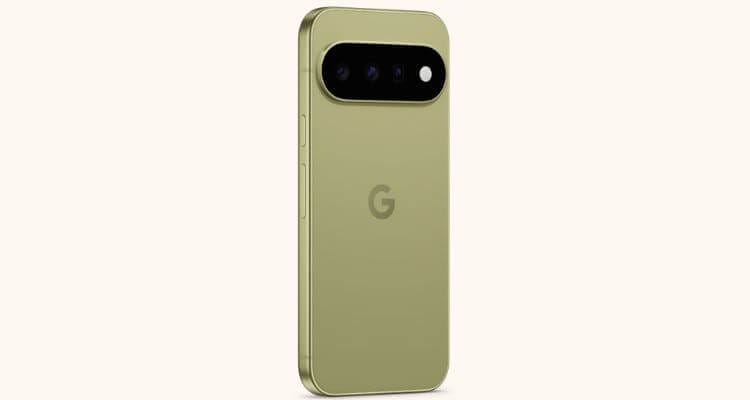
If you know what a Pixel 10 looks like, you’ve got a pretty good idea of the Pixel 11’s core design. In terms of dimensions, it’s identical at 152.8 x 72 x 8.6mm and has the same aluminium frame construction. The Pixel 11 is slightly lighter at 197g compared to the Pixel 10’s 204g, so it won’t weigh you down as much when carrying it around.
The rear of the phone sports a minor change: an all-glass camera bar. Gone is the metal part that used to adorn the right-hand side, which we did feel gave the Pixel 11 a cleaner, sleeker look overall.
Something we wish would’ve been on the Pixel 11 is the HiLight feature, which is a new addition to the camera bar that lights up when talking to Gemini or receiving a call. Unfortunately, the HiLight only makes an appearance on the Pixel 10 Pro and above for that particular range.
Display
Moving onto the display, it’s a similar story of maintaining what worked well on the preceding handset. The Pixel 11 comes with a 6.3” Actua display and a resolution of 1080 x 2424; again, the resolution is the same as the Pixel 10. Brightness levels are also unchanged, peaking at 3,000 nits.

The display is a great example of our earlier remarks about who the Pixel 11 is ideally for. Given how similar the Pixel 11 and 10’s displays are, Pixel 10 owners are unlikely to experience a substantial upgrade in the display department. However, if you own an older Pixel phone such as the 9 model, the Pixel 11 is worth it for the improved screen brightness.
Performance & software
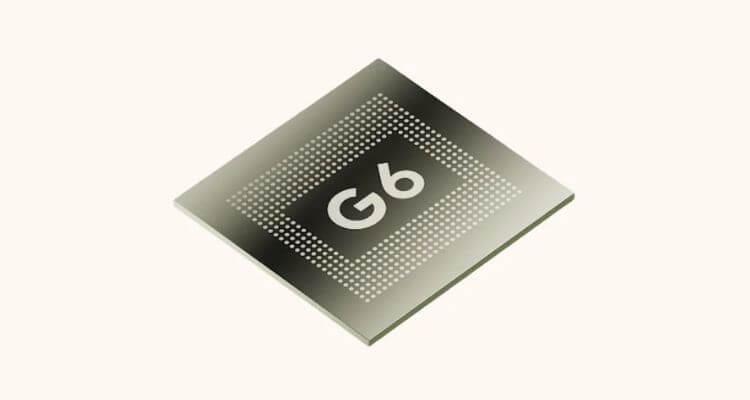
When you look under the surface, the Pixel 11 really starts to shine. The Tensor G6 CPU is - according to Google – around 50% faster when running AI-powered tasks such as Gemini and the Super Zoom feature. In our own testing, we certainly found that the Pixel 11 ran faster in these situations, as well as when doing general tasks like browsing and jumping between apps.
Another benefit of the Pixel 11 is getting Android 17 pre-installed, so you can immediately start experimenting with new features like App Bubble multitasking. This phone also represents one of the most affordable ways to leverage Gemini Intelligence features like the speech-to-text Rambler tool.
Remaining on the topic of Android, it’s another area where the Pixel 11 is an excellent option for owners of a Pixel 9 or older. The Pixel 9 originally shipped with Android 14, so we’re talking about a three-generation jump in OS out of the box. Yes, older models can be updated over time, but not everyone will have done so.
Cameras
We’re going to sound like a broken record here, but the Pixel 11’s camera array is yet another department where older Pixel owners will enjoy a more transformative experience. Taking the Pixel 9 again as an example, that phone came with a dual-camera array consisting of 50MP wide and 48MP ultrawide cameras; still excellent, but the Pixel 11 offers far greater versatility with its triple-camera setup. Having that additional 10.8MP telephoto camera is a lifesaver when wanting to capture long-distance photos.
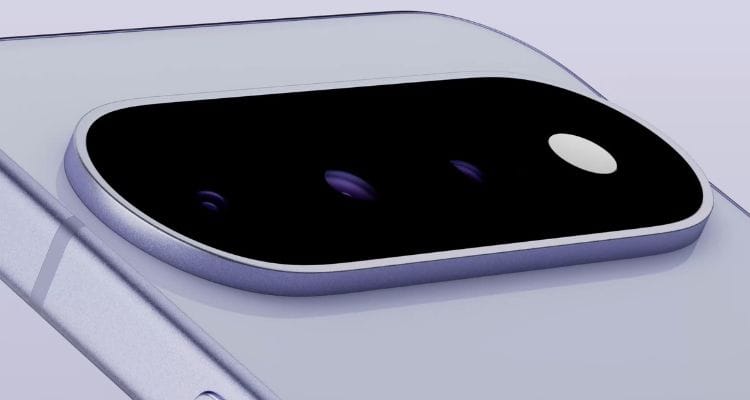
Now, there is an element of give and take here, as the Pixel 9 was the last Pixel phone to have a 48MP ultrawide camera rather than 13MP. In essence, you’re trading raw image detail for a wider photography toolkit, which will suit some more than others.
Battery
The Pixel 11 isn’t a gamechanger when it comes to battery life, but there are some high points. Battery capacity was boosted slightly from 4,970mAh to 4,985mAh, and Google states you can get around 30 hours of usage from the Pixel 11; an increase of ~6 hours on a charge.
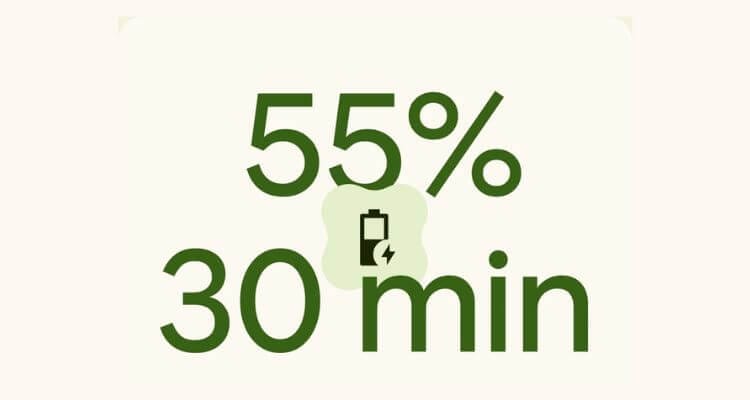
The most pleasant surprise for us was the improved wireless charging speed when using the Pixelsnap charger. Moving from 15W and 25W is fantastic to see, making Pixelsnap an even more viable charging option when out and about.
Final thoughts
Despite some reservations, we still believe that the base Pixel 11 is one of the best mid-range phones money can buy. It won’t excite everyone, particularly if you still own a Pixel 10, but it’s a brilliant option if you haven’t upgraded in a while.