
iPhone vs Samsung: Which is Right For You?
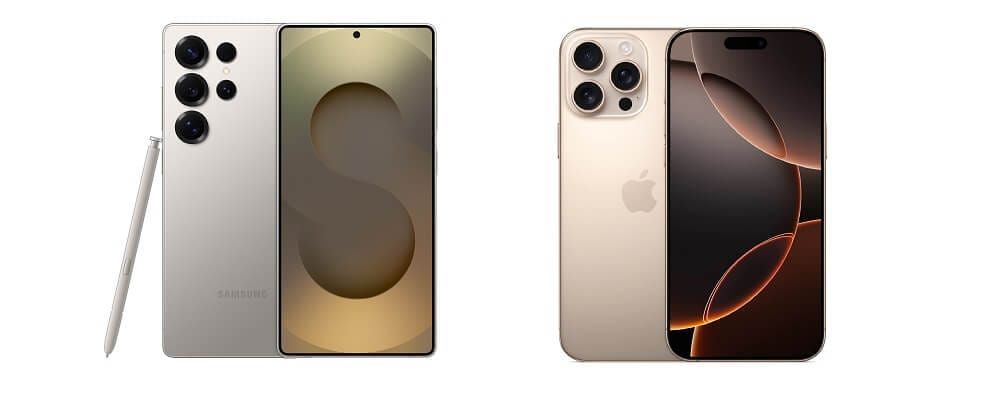
Whether you’re buying the first phone for someone or getting ready for a personal upgrade, shopping the vast number of handsets on the market can be overwhelming. iPhone and Samsung Galaxy are two of the industry’s leading brands, but how do you decide which to go for?
To help you narrow it down, our smartphone experts have put together this handy guide on the key differences between iPhone and Samsung, from cost and design to their software features.
If you already know which phone you’ve got your eye on, check out our selection of iPhone and Samsung deals to get started.
Cost
The first consideration of whether to opt for a Samsung or iPhone should be your budget. Samsung has a broad selection of phones and some of those fall into the affordable handset range, such as the A-series. That’s not to say that Apple don’t cater to lower budgets, with the iPhone 16e and iPhone SE (3rd Generation) both excellent examples of their budget-friendly devices.
If money is less of a deciding factor, you’ll find phenomenal premium handsets by both brands such as the iPhone 17 Pro Max and Samsung Galaxy S25 Ultra.
Design
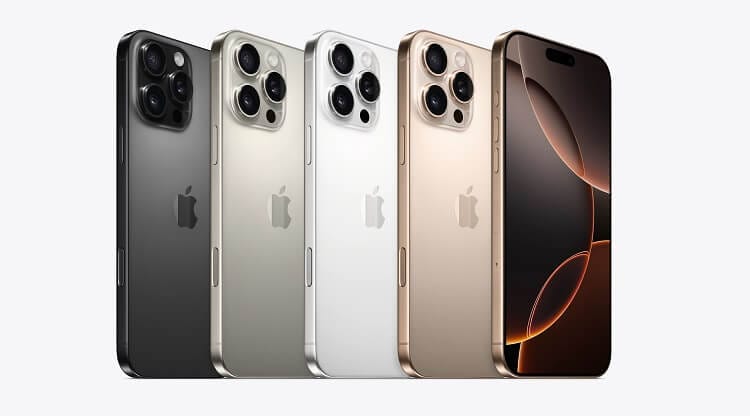
Most modern handsets have a visually similar exterior comprised of a sleek, rectangular design and focal camera bump on the back. iPhone and Samsung handsets stay true to this design language and include premium materials like aluminium, titanium and Gorilla Glass.
Speaking of titanium, Apple were initially ahead of the curve in building iPhones from titanium, with Samsung later adopting the material for models like the Galaxy S24 Ultra. You’re more likely to see titanium being used nowadays in premium flagship handsets, so it’s less of a unique selling point for iPhones compared to years past.
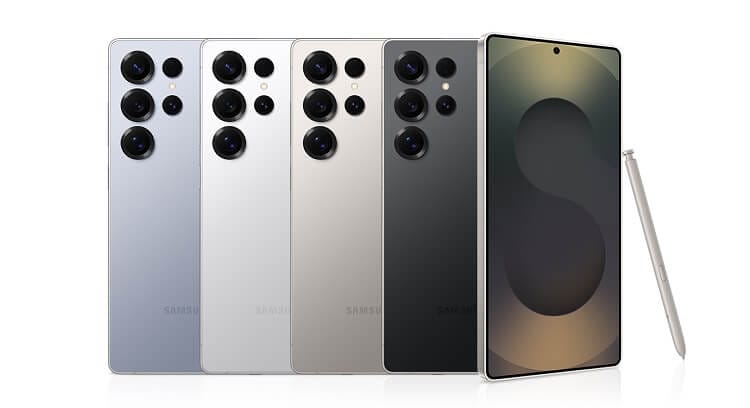
When it comes to glass, you might see Ceramic Shield and Ceramic Shield 2 being mentioned on iPhones. This is Apple’s own take on front and back screen protection, designed to literally ‘shield’ an iPhone from bumps and scratches. Samsung phones typically utilise Gorilla Glass Victus instead, but ultimately it fulfils the same purpose.
Camera
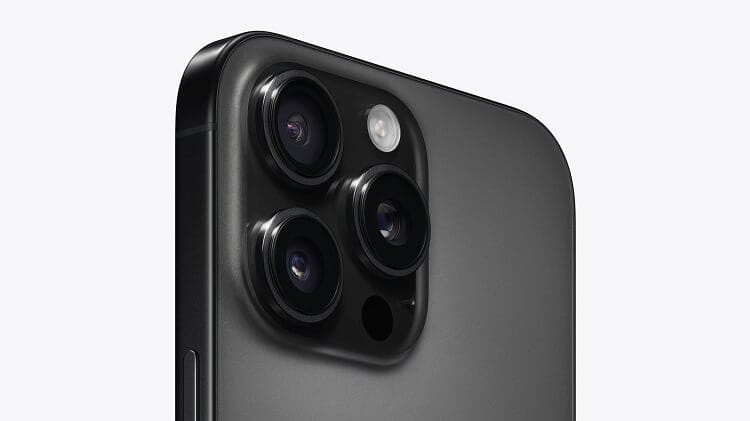
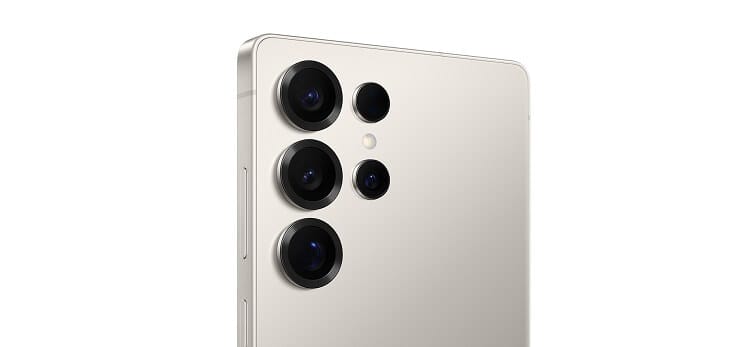
Apple have consistently delivered on camera quality and high-end technology, featuring rear cameras up to 48MP. For filmmakers, iPhones are an incredible tool, too, with features such as Deep Fusion and support for ProRAW video formats.
Some of Samsung’s most powerful phones, such as the Galaxy S25 Ultra, boast pixel counts as high as 200MP; producing photos with impressive resolutions and detail. Like on an iPhone, Samsung devices also excel when recording videos in a variety of conditions, particularly low-light.
In a nutshell, if you want to take stunning photos without going too much into editing them, a Samsung phone is a great option. If you are keen on drilling down into photos and videos to make intricate tweaks, an iPhone has you covered.
Operating system
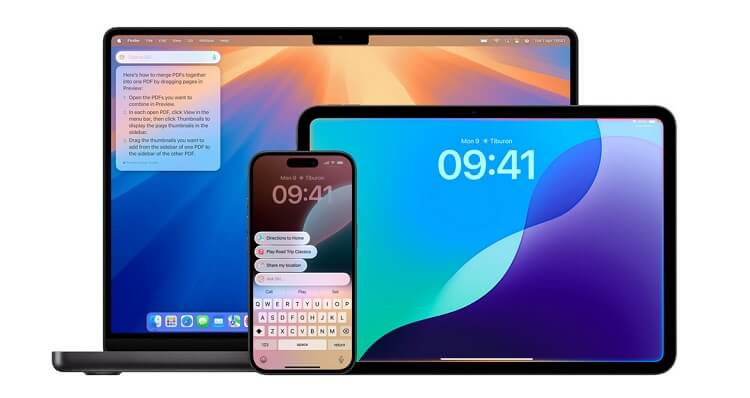
You’ll find some of the biggest differences between the two brands within their operating system, starting with iOS on iPhone and Android on Samsung. The latter is used across a significantly wider range of devices, whereas iOS is exclusive to Apple products.
One of the key benefits of iOS is the ability to connect all your Apple devices and share data between them, from iPhone and Mac to an Apple watch. So, if you're already the owner of Apple products, or you're planning to buy in the future, opting for an iPhone enables you to connect and share with ease inside the Apple ecosystem.
Android is uniquely flexible owing to the fact it’s used across so many handsets and is regarded as ‘open-source’. Fundamentally, they are very different environments; iOS is closed off but more curated, and Android is more open with a significant number of app options.
Artificial intelligence
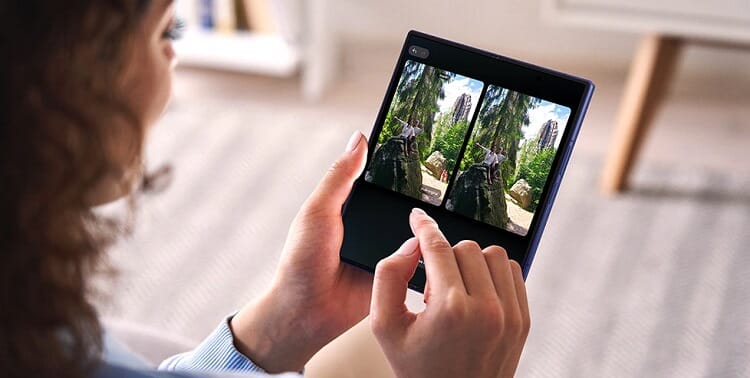
On iPhone, Apple Intelligence is the main AI suite with advanced photo-capturing and editing tools, writing and proofing features, and language assistants that have transformed the way users interact with their iPhone.
Android’s open-source nature means you’ll typically find a wider range of AI suites available, including Samsung’s’ Galaxy AI. We’ve found Apple Intelligence to be excellent for creative tasks, and Android AI suites like Galaxy AI are ideally suited for productivity with features like Circle to Search and Chat Assist.
Processor
iPhone and Samsung use starkly different chipsets, but overall performance is pretty similar depending on the model you choose. On iPhones you’ll typically find an A-series processor such as the A19, with flagship handsets such as the iPhone 16 Pro Max featuring a ‘Pro’ version. Samsung phones often come equipped with either an Exynos or Snapdragon processor.
As we mentioned, the performance of an iPhone or Samsung handset will be fairly similar, but both offer specific benefits. For example, iPhones excel at graphically-demanding tasks and Samsung phones are superb for multitasking.
Summary
Overall, both iPhone and Samsung handsets deliver a superb experience; the overriding difference is the ecosystem you’ll be investing in. If you’re planning on moving from an existing device, we can help you transfer your old data across with our dedicated iPhone and Android guides.