
Samsung Galaxy Z Flip8 Review
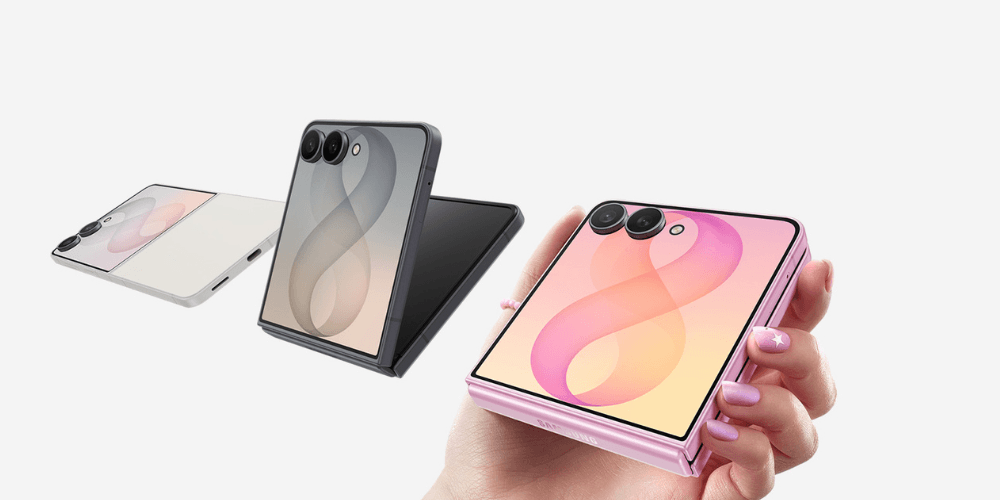
Not every update to a phone range has to be transformative. In the case of the Samsung Galaxy Z Flip8, ‘refinement’ is the name of the game; the focus being on tweaking what works well, and ditching potential excess baggage.
So with this in mind, did the Z Flip8 excite and impress us? Absolutely, but owners of older Flip handsets will likely get more out of it than those with a Flip7.
Specifications
• Release date – 7th August 2026
• Dimensions – 166.9 x 75.4 x 6.1 mm unfolded; 85.7 x 75.4 x 13.1 mm folded
• Weight – 180g
• OS – Android 17
• Display – 6.9” FHD+ Dynamic AMOLED 2X 120Hz unfolded; 4.1” Super AMOLED Cover Display folded
• Resolution – 1080 x 2520 unfolded; 948 x 1048 folded
• Processor – Exynos 2600
• RAM – 12GB
• Storage – 256GB; 512GB
• Rear cameras – 50MP wide; 12MP ultrawide
• Front camera – 10MP
• Battery – 4,300mAh
• Water & dust resistance – IP48
When did the Galaxy Z Flip8 release?
The Samsung Galaxy Z Flip8 was announced on 22nd July 2026, with a release date of 7th August 2026.
Design
There’s a reason that Flip7 owners might be tempted to be patient when considering the Flip8: they are fundamentally similar phones. Put them side-by-side and you’re unlikely to be able to tell them apart, but that isn’t really telling the full story.
The Flip8 has dimensions of 166.9 x 75.4 x 6.1 mm when unfolded, and when you compare this to the Flip7’s 166.7 x 75.2 x 6.5 mm, you’ll notice a fairly sizeable difference in those end numbers. What this tells us – and we felt this in the hand – is that the Flip8 is noticeably thinner than its predecessor, and lighter, too. In fact, this accounts for a weight difference of 8g between the two phones.
This density and weight reduction is where Samsung applied most of its focus, at least from a design perspective. You’re getting the same Gorilla Glass Victus 2 screen, Advanced Armour Aluminium hinge, and IP48 ingress protection rating.
Display
There are minimal changes on the display front from the Flip7 to Flip8, but if you own a Flip phone older than the Flip7, you might want to consider this one. The Flip8 and Flip7 share the same 6.9”/4.1” display combo, yet the older Flip6 has a 6.7”/3.4” offering. This jump in screen real estate will likely feel substantial; if you’re a Flip6 owner, at least.
Across the rest of the Flip8’s display, it’s basically a case of ‘as you were’. The dynamic refresh rate of 120Hz on the unfolded screen is unchanged, but Samsung states that the brightness has been dialled up, too.
Performance & software
The Flip7 performed admirably well in performance testing, so we’re delighted to see that the Flip8 takes things even further with the faster Exynos 2600 CPU. In a range of gaming and multitasking scenarios, the Flip8 maintained a smooth framerate and hardly broke a sweat. You are getting 12GB RAM on this phone much like the Flip7, but for smartphone usage, you’re unlikely to need any more than 12GB anyway; this remains more than adequate.
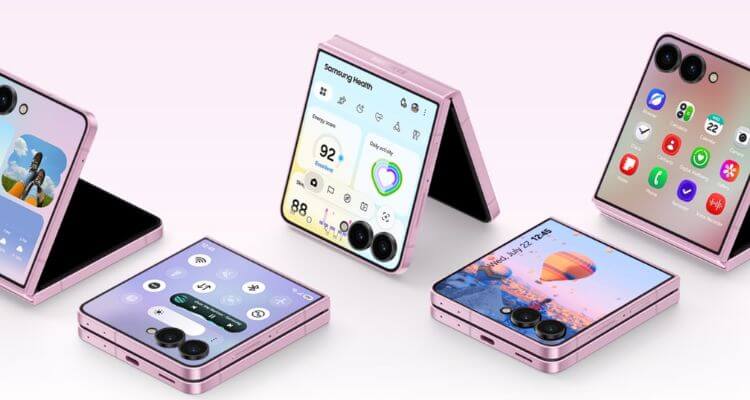
Whilst the screen quality of the Flip8’s cover display is basically identical to the Flip7, it was given some love in the shape of enhanced usability. The Flex Window is far more versatile this time around, with the ability to pin six tiles for quickly accessing information like weather and how many steps you’ve taken. We loved this feature, and it really helped establish the Flip8 as one of our favourite flip phones in quite some time.

Rounding out the Flip8’s software lineup is Android 17, which comes pre-installed. It also comes equipped with Samsung’s OneUI 9, sporting smoother switching between viewing modes and easier access to Galaxy AI features from the cover screen.
Cameras
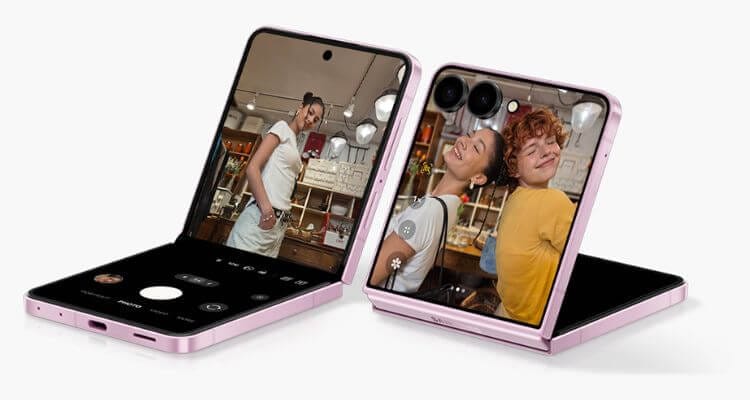
Samsung opted to stay the course with the Flip8’s camera setup, carrying over the Flip7’s 50MP main and 12MP ultrawide cameras. The processing power of the Exynos 2600 CPU does afford the Flip8’s array with some extra firepower, enabling the improved Pro Visual Engine feature to enhance photos with greater detail compared to previous iterations.
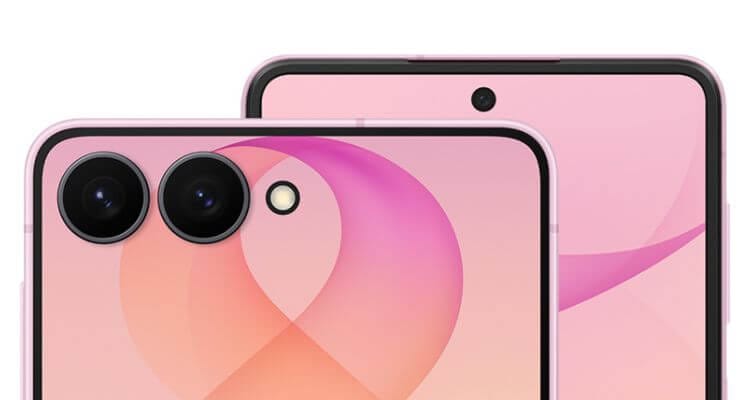
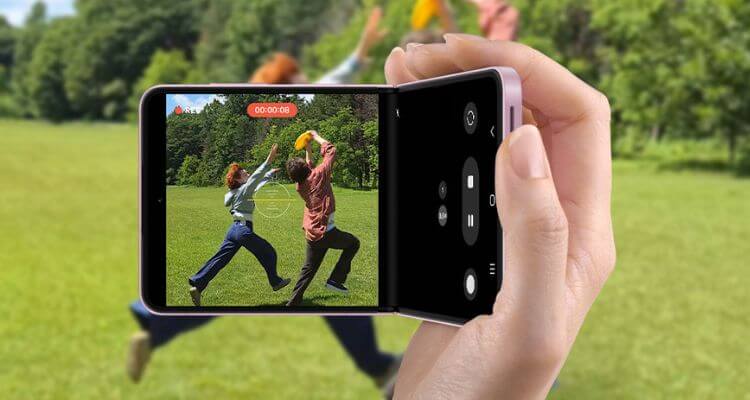
Whilst it would have been nice to see some changes to the Flip’s camera suite, the results are still exceptional. It remains a joy to use the cover screen to preview photos and take selfies using the 90-degree Flex mode.
Battery
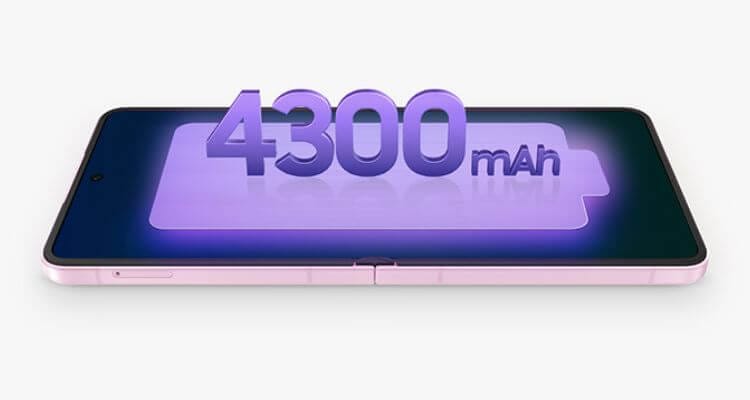
Similar to the camera array, there are very few changes on the battery life front here. The Flip7’s 4,300mAh battery is maintained, as are the 25W wired and 15W wireless charging capabilities.
This being said, the Flip8’s battery life isn’t an absolute like-for-like. The change to a silicon-carbon battery and Exynos 2600 CPU does mean that the Flip8 is more efficient at spending battery power, so you can potentially use the phone for longer.
Final thoughts
When all is said and done, the Flip8 is a finely tuned Flip7 with improved performance chops and software features. As we stated at the top of this review, owners of a Flip6 or older handset will likely get more out of the Flip8. If you have a Flip7, you’re still getting some valuable upgrades, but the jump won’t feel as impactful.