
Samsung Galaxy Z Fold8 Review
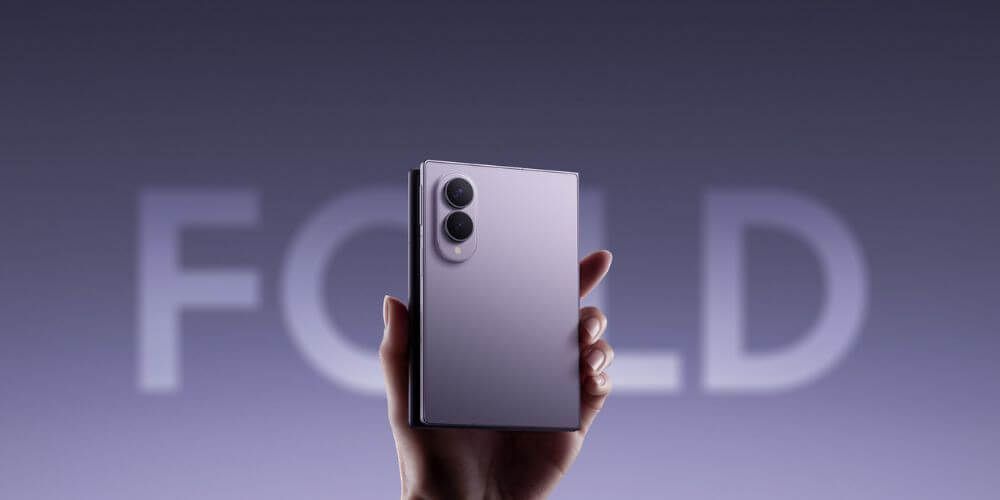
Where the Galaxy Z Flip8 kept things relatively safe for the most part in Samsung’s 2026 refresh, the Galaxy Z Fold8 is a different story. Having spent some time with this handset, we can confidently say that the Z Fold8 isn’t just Samsung’s best foldable phone to-date; it’s one of the best on the market, thanks to a range of smart design improvements.
Specifications
• Release date – 7th August 2026
• Dimensions – 123.9 x 161.4 x 4.5 mm (unfolded); 123.9 x 81.9 x 9.7 mm (folded)
• Weight – 201g
• OS – Android 17
• Display – 7.6” QXGA+ Dynamic AMOLED 2X 120Hz (unfolded); 5.5” AMOLED (folded)
• Resolution – 1828 x 2448 (unfolded); 1248 x 1972 (folded)
• Processor – Qualcomm Snapdragon 8 Elite Gen 5 for Galaxy
• RAM – 12GB; 16GB
• Storage – 256GB; 512GB; 1TB
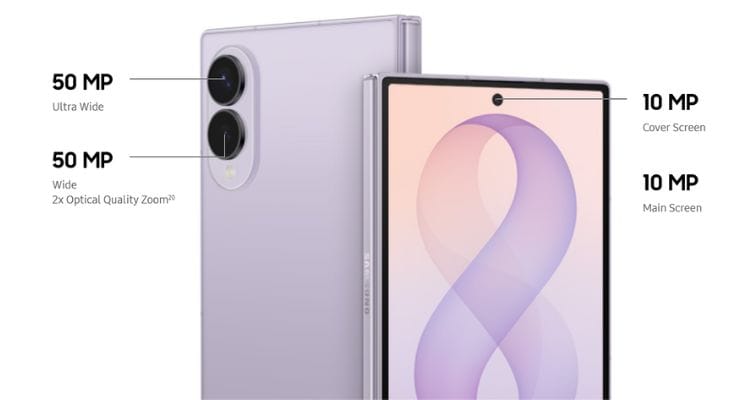
• Rear cameras – 50MP wide; 50MP ultrawide
• Front camera – 10MP (cover); 10MP (main)
• Battery – 4,800mAh
• Water & dust resistance – IP48
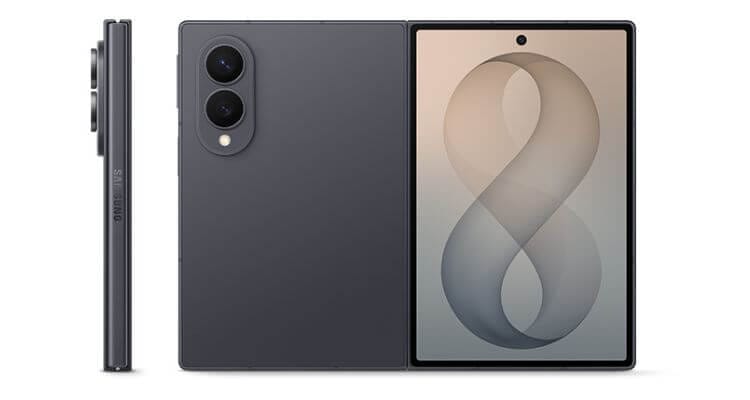
When did the Galaxy Z Fold8 release?
The Samsung Galaxy Z Fold8 was announced on 22nd July 2026, with a release date of 7th August 2026.
Design & display
Historically, when putting a phone through its paces, we would talk about design and display separately. In the case of the Fold8, both are so intrinsically linked that we have to talk about them together.
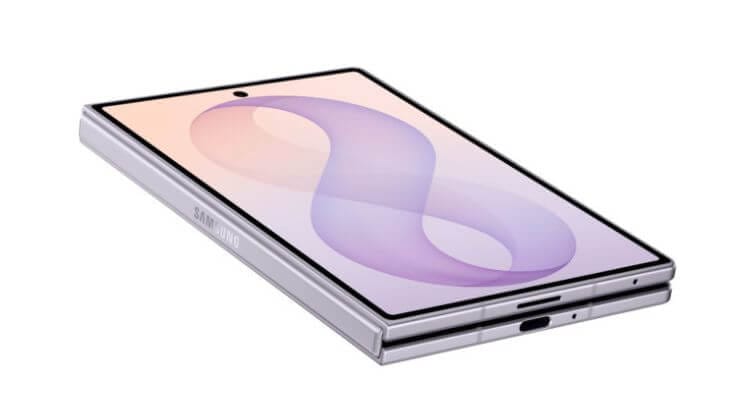
We were curious to see how the Fold8’s radically different design would hold up after some use; very well, it turns out. Samsung essentially shaved a small amount of height from the top of the phone, resulting in a shorter and wider handset that resembles a passport. It was easy to hear that Samsung were planning this and think “why?”, but in hindsight, we found it to be a masterstroke decision.
Firstly, the Fold8’s short and wide design means the cover screen felt far more useful. The skinny display on previous Fold devices was great if you prioritised scrolling, but it lacked the space and aspect ratio to offer a truly immersive video experience. The Fold8 doesn’t have these shortcomings; the cover screen itself is perfectly capable of being used to watch videos and scroll social media if desired, rather than being suitable for just one of those.
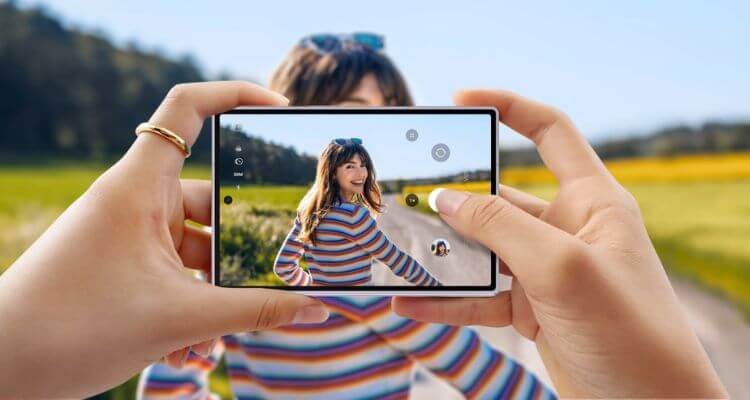
Moving onto the 7.6” unfolded screen, we were even more impressed by the Fold8’s redesign. The biggest impact here is in the new 4:3 aspect ratio on the unfolded display, which significantly reduces the amount of black bar letterboxing when viewing videos. It’s something you might not have noticed on the preceding Fold7 or perhaps blocked it out, but we immediately spotted the difference and found the Fold8 to be far more immersive as a result.
The improvements don’t stop there, however. Screen brightness has been dialled up to 3,000 nits, and the addition of an improved anti-glare coating allows for easier viewing in bright viewing conditions. These two enhancements combined make for a phone that is better equipped for outdoor viewing compared to its predecessors.
Performance & software
The performance differentials between the Fold8 and Fold7 are less drastic, but improvements can still be seen in testing. The Fold8’s Snapdragon 8 Elite Gen 5 for Galaxy CPU offers faster clock speeds, which means smoother framerates when scrolling and multitasking. The maximum amount of RAM available is unchanged from the Fold7, with the option for 16GB if desired.
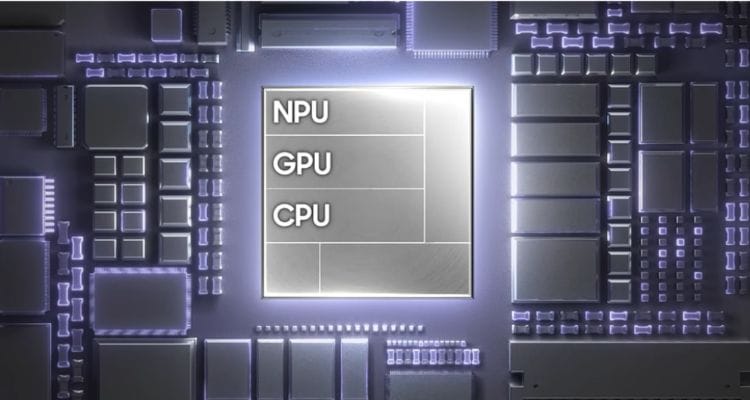
Similar to the Flip7, the Fold8 sports Samsung’s OneUI 9 interface. It won’t look fundamentally different to those who’ve previously owned a Fold handset, but the visual layout is easier to navigate when switching between the unfolded and folded modes. The new Now Nudge feature also fits smoothly into OneUI 9, which provides information at a glance and works effortlessly on both screens.
Cameras
On the camera front, it’s something of a mixed bag. The ultrawide rear camera saw a significant bump in megapixels from 12MP to 50MP, granting captured photos a greater level of detail and clarity. However, this comes at the expense of a reduction in megapixels on the wide-angle camera; that is 50MP rather than 200MP. There’s also no telephoto camera on the Fold8, which the Fold7 did possess.
This being said, we still rate the Fold8 highly where photography is concerned. Photos look predictably detailed, and editing images on the unfolded screen is a breeze.
Battery
If Samsung had gone three generations in a row of not increasing battery capacity on the Fold, we’d have raised a few eyebrows. Thankfully, that is not the case; we’re seeing an increase of 400mAh up to 4,800mAh. This puts the Fold8 firmly in the upper echelons of battery life amongst foldable phones, and you should be able to get over 24 hours of usage.
Another win for the Fold8 is the improvement to charging speeds. Wired charging was increased to 45W from 25W, and wireless charging caps out at 20W from 15W on the previous generation.
Final thoughts
We feel confident in calling the Galaxy Z Fold8 a triumph. Some of its greatest improvements – like the change in display aspect ratio - aren’t necessarily things you can easily get people excited about, but the impact they have is undeniable. We loved our time with the Fold8, and we think many will appreciate Samsung’s efforts here, too.